Marthe Gautier
1925 – 2022
Marthe Gautier
Pediatrician
Cytogeneticist
Down Syndrome
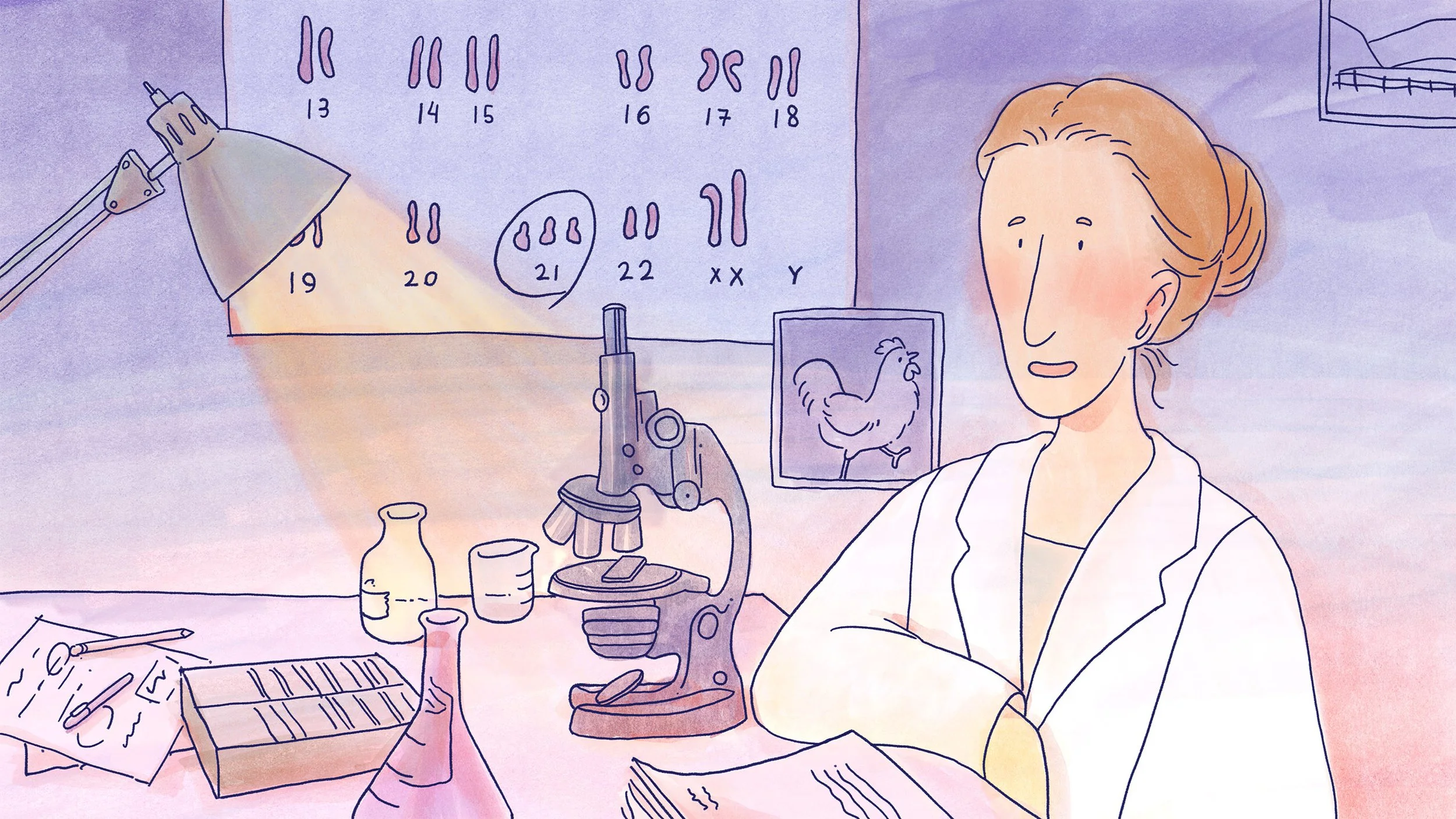
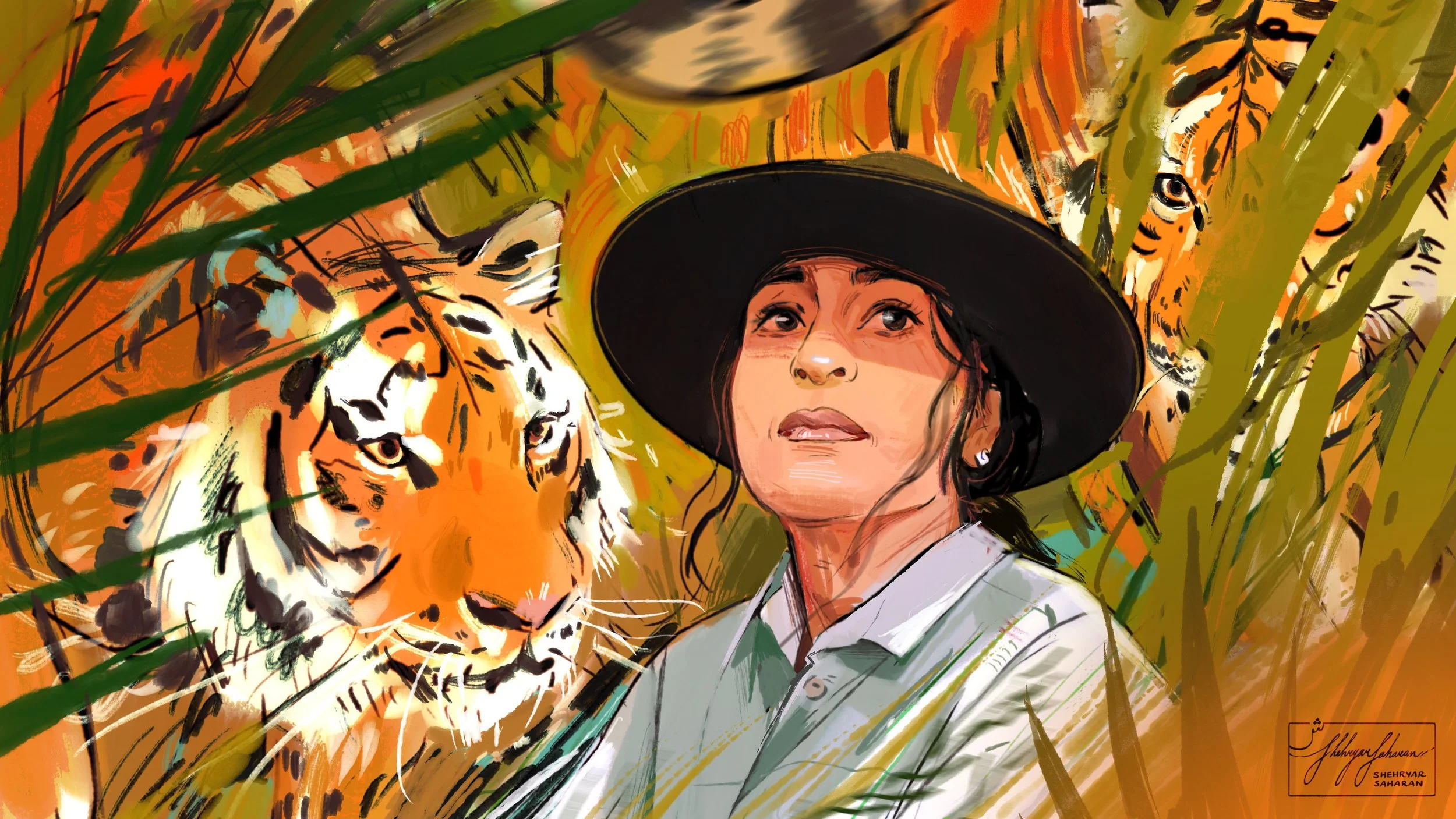
Portrait of Marthe Gautier.
Daughter of a FarmerLong before she helped identify the chromosomal cause of Down syndrome, Marthe Gautier was a child of rural Île-de-France, raised on a family farm.
She was born on September 10, 1925, the fifth of seven children: four girls and three boys. For nearly four centuries, her family had lived as farmers, quietly tending the land. That long inheritance shaped the expectations surrounding her future. But Gautier’s early desire to care for children drew her beyond the life already imagined for her. She would go on to become a pediatrician.
Her older brothers and two of her sisters either became farmers or married them. But Marthe wanted something else. She wanted a white coat. Her mother, in particular, understood that ambition and encouraged it. In 1942, while her peers were courting or helping in the fields, Marthe completed boarding school and followed her older sister Paulette to the Faculty of Medicine in Paris. She began her studies there during the strain of wartime, far from home and in a city under occupation.
The years that followed would test both her resolve and her sense of purpose. One line, often associated with this period in Gautier’s life, suggests the moral and political pressure surrounding those years:
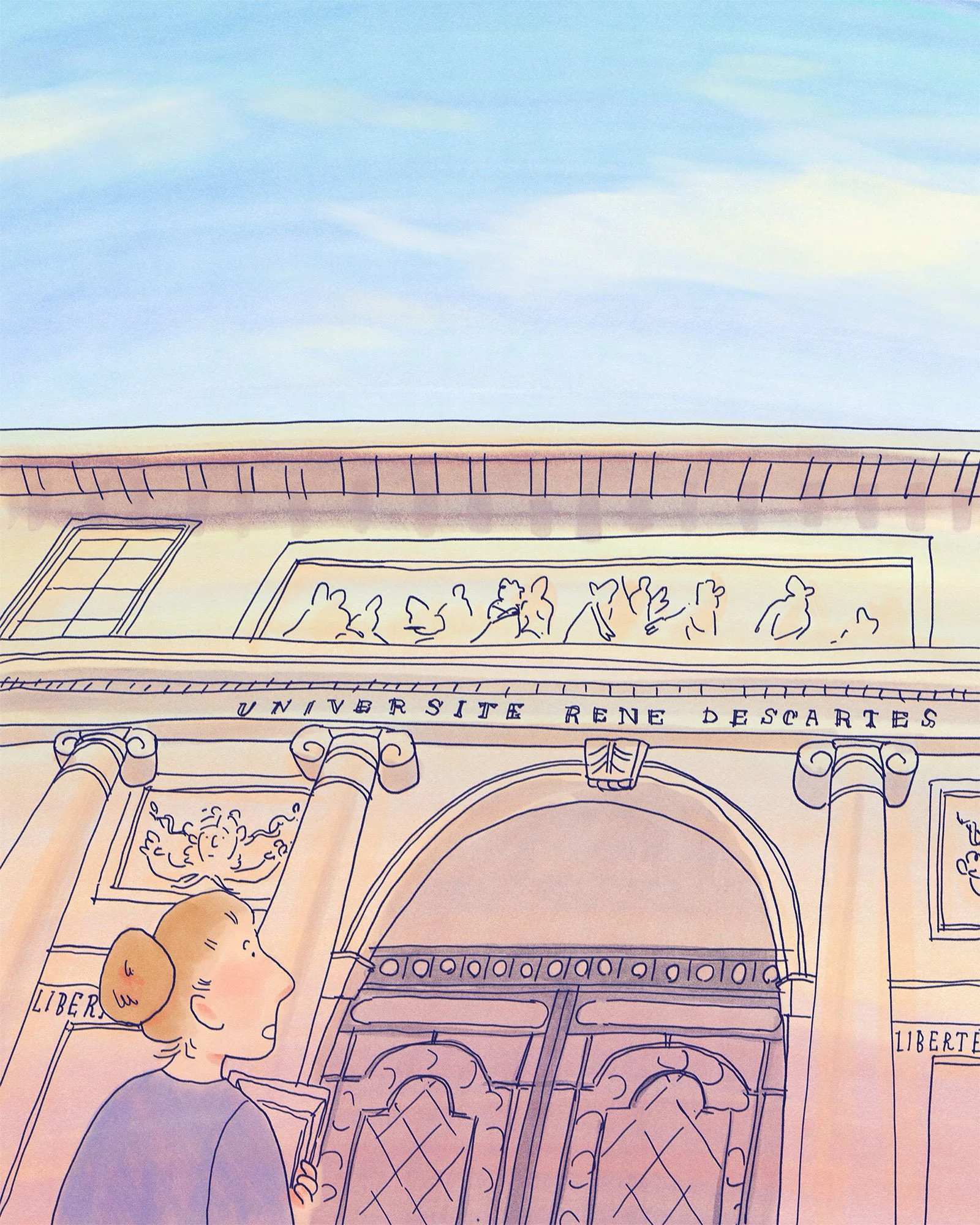
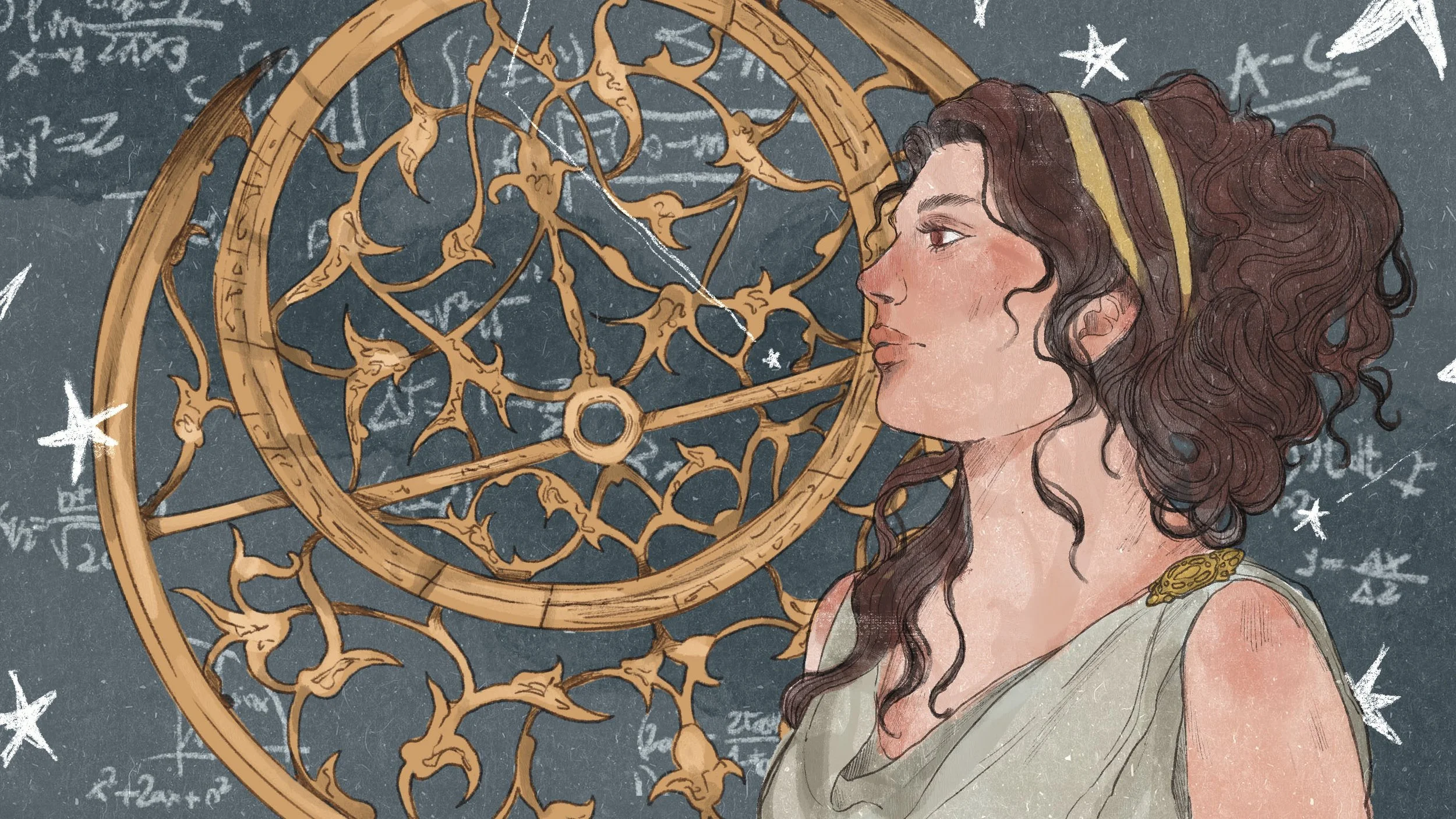
Marthe Gautier, standing before the Paris medical world she entered as a young student, looking toward a future few women of her background were expected to pursue.
"If You’re a Woman, and You’re Not the Boss’s Daughter"The path to medicine was steeply competitive, and people of Gautier’s background did not traditionally pursue higher education. In a world largely shaped by Parisian elites, Marthe arrived with little social advantage beyond her intellect, determination, and her family's faith. That faith took material form in her father’s sacrifice.
To support her studies, he reportedly sold a herd of cows to help secure a small flat in Paris. For a farming family, it was an extraordinary investment, one that reflected both risk and belief in her future.
Even with that support, the transition would not have been simple. Paris offered opportunity, but it also exposed Marthe to a culture of medicine that could be exacting, hierarchical, and exclusionary. She was entering a profession in which authority, status, and connection often mattered as much as talent. For a young woman from the countryside, the challenge was not only academic. It was social as well.
She did, however, have Paulette. Her older sister, the first in the family to enter medical school, was then an intern at the Gustave Roussy Institute and nearing the end of her training. When Marthe came to Paris after passing the entrance exam, Paulette helped guide her through the unfamiliar world of medical study and professional expectations. She offered not only practical support but a clearer view of the barriers that lay ahead. Among the words Marthe would later carry with her was Paulette’s warning:
The line is memorable because it names, with unsettling precision, the social realities of the time. It speaks to gender, certainly, but also to class, patronage, and the unspoken rules that shaped access to professional life. For Marthe, it was less a lament than a standard to be met.
Their time together, however, was short.
In 1944, Paulette was killed during the Liberation of Paris, in violence involving German and Allied forces. The loss was both personal and formative. Marthe had come to the city under her sister’s guidance; now she had to continue without her. In grief, she appears to have taken on an even sharper sense of responsibility to herself, to her family, and to Paulette’s memory. From that point forward, ambition was no longer only her own. It was bound up with absence, expectation, and the determination to continue.
"Twice as Good"Marthe was an exceptional student: driven, disciplined, and unwavering in her goals. After years of demanding study, she completed her medical degree and clerkship. Soon after, she earned an internship at the Paris Hospitals. It was a highly coveted appointment, pursued by many of her peers and awarded only after a formidable set of examinations. Candidates first faced four anonymous written exams, followed by an oral examination, where anonymity fell away, and bias could enter the room. That year, only eighty students passed across all of France. Just two were women.
Gautier was one of them.
In 1955, Dr. Gautier completed her four-year clinical apprenticeship in pediatric cardiology and defended her dissertation on rheumatic fever in infants. Her work drew the attention of one of her mentors, Professor Robert Debré, whom she later described as the “father of pediatrics.” He offered her a one-year scholarship to Harvard Medical School, funded by a patron whose child had died of Bouillaud’s disease, also known as acute rheumatic fever.
For perhaps the first time, she hesitated. Accepting the opportunity meant crossing the Atlantic and leaving behind the family she had already lost so much to, with no easy way to remain in contact. The decision carried both promise and ache. Still, Gautier had set her course, and she was not willing to turn away from the chance to advance in her profession.
Teary-eyed, Dr. Gautier boarded the Cunard Line’s Mauritania for a five-day voyage across the Atlantic. By chance, two other fellows, both men, were also on board.
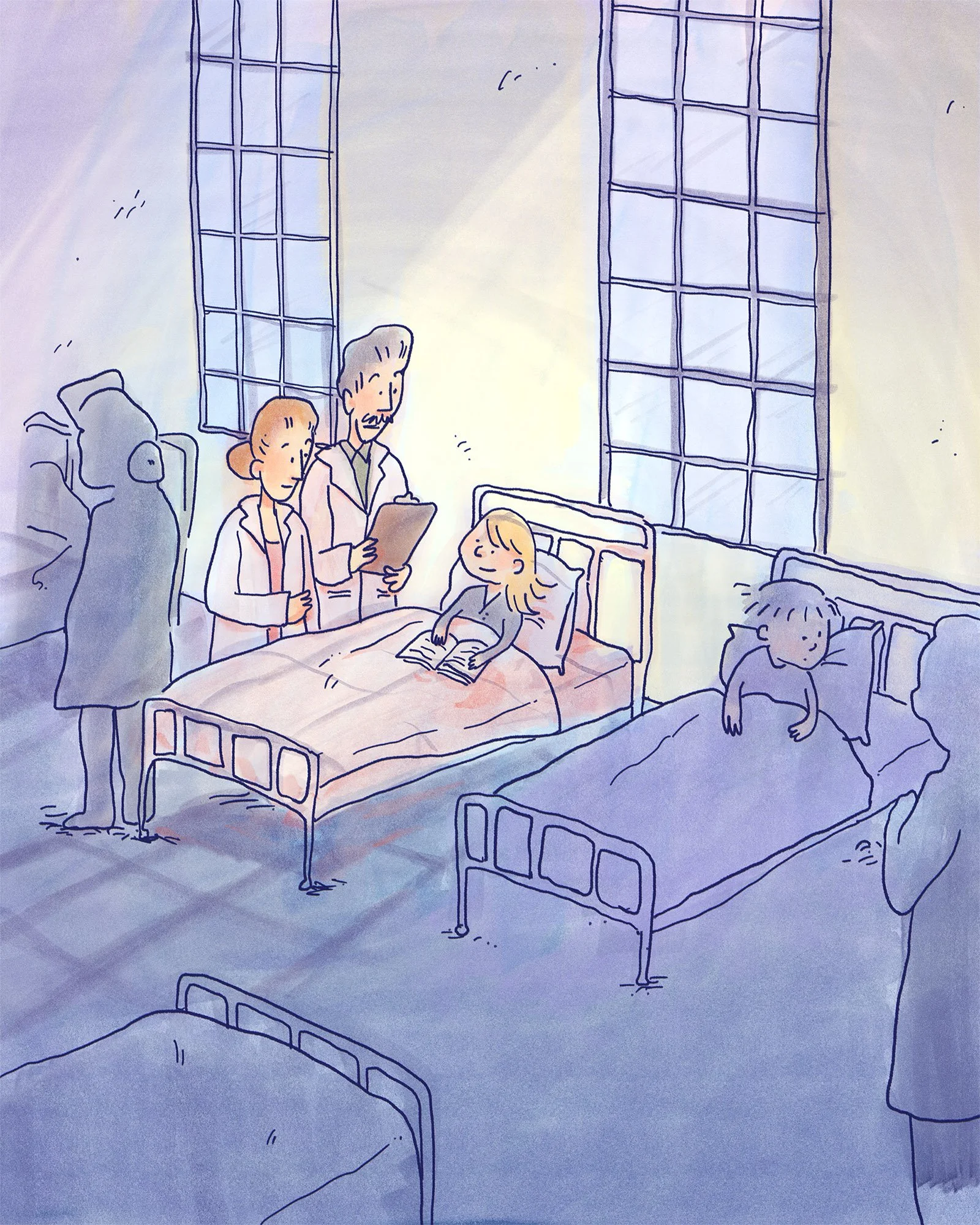
During her year abroad, Gautier expanded her clinical and research experience while deepening the pediatric focus that would shape her career.
At Harvard, Gautier spent the year visiting different clinical and research centres, expanding her understanding of rheumatic fever and pediatric cardiology while also working as a laboratory assistant. There, she learned essential cell culture techniques from an experienced female technician. When a colleague left on maternity leave, Gautier stepped into the role of laboratory manager and spent long hours refining the methods she had begun to master.
The technical precision she developed during that year would later prove essential to the identification of Trisomy 21.
Mother of Trisomy 21In the mid-1950s, after returning from her year at Harvard, Marthe Gautier found that the hospital post she had been promised had already been filled. It was one more setback in a career that would repeatedly be shaped by exclusion, delay, and the need to begin again. With Professor Robert Debré now retired and little institutional guidance available, she accepted a position at the Armand-Trousseau Hospital under Raymond Turpin, a senior figure she scarcely knew. As an experienced pediatrician, Gautier understood that Turpin was interested in the underlying cause of the shared physical characteristics seen in individuals with Down syndrome.
Earlier attempts to account for those recurring features, including fingerprint analysis and attention to the single palmar crease, bore no fruit.
Yet in 1956, the total number of human chromosomes was discovered to be 46 and not 48 as previously thought. Turpin, equipped with the revelation of 23 pairs, could not extrapolate his theories to cells. He did not know how to culture cells to study chromosomes. Almost no one in post-war France knew this specialized skill.
Almost no one.
Despite her modest new surroundings, Gautier offered a bold assurance.
Gautier's claim was regarded with suspicion rather than confidence, met with one of Turpin’s sideways glances that seemed to reduce her certainty to arrogance. Gautier was then confined to a cupboard-sized lab, armed with sparse equipment and her Harvard-acquired expertise.
Gautier prepared the cell cultures completely from her own resources, as she was offered no financial aid. She borrowed money to purchase lab equipment, extracted plasma from a rooster she bought and kept in the hospital courtyard, and drew her own serum.
She prepared cell cultures from patients without Down syndrome and carefully counted 46 chromosomes.
She did this again and again and again: 46...46...46.
This process was repeated for four months until Gautier felt ready to try her hard-won technique on cells from patients with Down syndrome.
During this time, Turpin did not check her progress and instead sent his protégé, Jérôme Lejeune. Lejeune had arrived several years before Gautier, focused on interpreting physical anomalies as clues to a potential origin of Down syndrome. He took a vested interest in her work.
At long last, Gautier received tissue samples from deceased patients with Down syndrome. She prepared the cells precisely as she had done in the past four months, and began counting in a carefully assembled metaphase spread: 46...47?
In 1958, Gautier had counted 47 chromosomes instead of 46. In doing so, she had done it. Gautier has identified the chromosomal basis of Down syndrome.
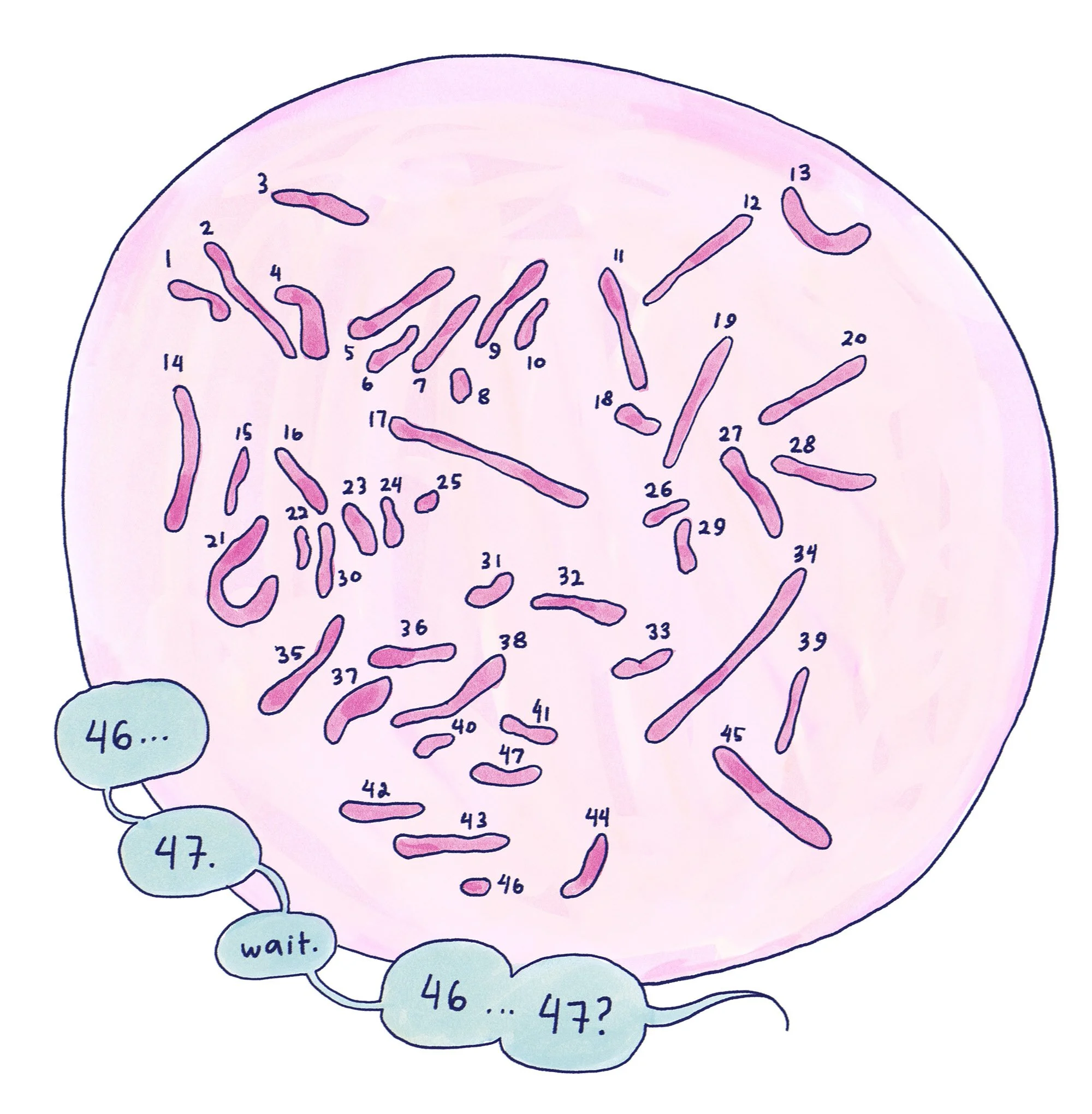
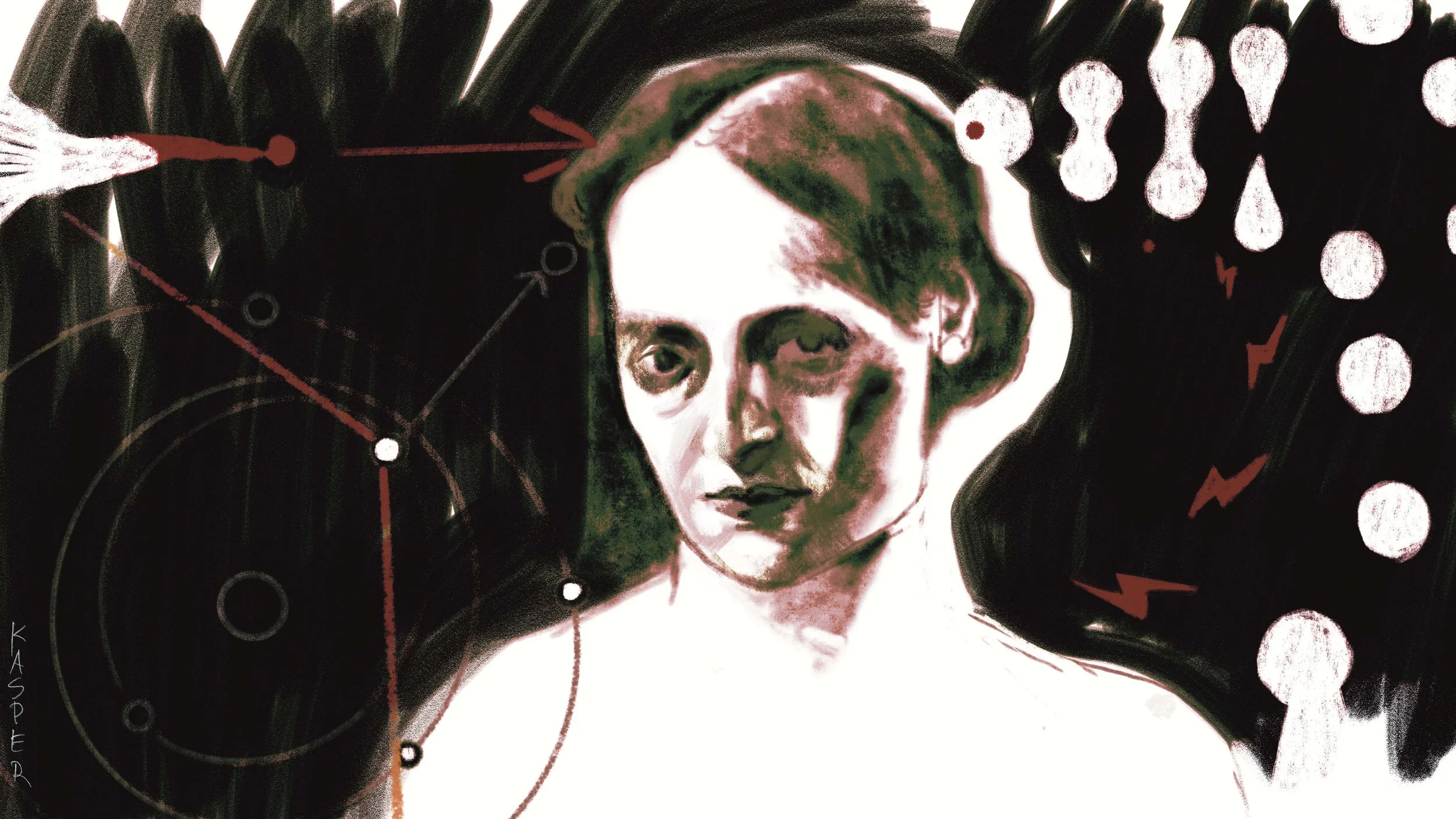
A reimagining of the moment Gautier identified an extra chromosome, a discovery that transformed the understanding of Down syndrome.
As the tiny extra chromosome declared itself to a shocked Gautier, she quickly realized her lab lacked the equipment needed to photograph the slides. Nor could the low-resolution microscope distinguish whether the additional chromosome belonged to pair 21 or pair 22. Eager to share her results with the world and frustrated by her second-class equipment, she entrusted the coveted slides to Jérôme, who had access to a lab with the proper equipment. So Marthe waited for the prized pictures. She waited, and waited. And waited. She was never shown those photographs. When prompted, Jérôme said he had given them to Turpin.
Once the slides had passed into other hands, events moved quickly and not in Gautier’s favour. Turpin had Lejeune present the findings at the International Congress of Genetics in Montreal without informing Gautier. There, the revelation was brought to light through Gautier’s work, but not with credit made proportionate to her role. Years later, Gautier reflected on that period with striking clarity:
It was not until Gautier received word from Jérôme Lejeune that a paper was to be published the following week on the research, and that she could make any corrections if she wished. A paper she was unaware existed. A paper based on her slides. Not only that, it was to be published with haste to win a discovery race whose progression had been concealed from Marthe.
In January 1959, the Proceedings of the French Academy of Sciences published “Human chromosomes in tissue cultures” by J. Lejeune, M. Gautier and R. Turpin. Years later, Gautier would remember that period not as triumph, but as injury:
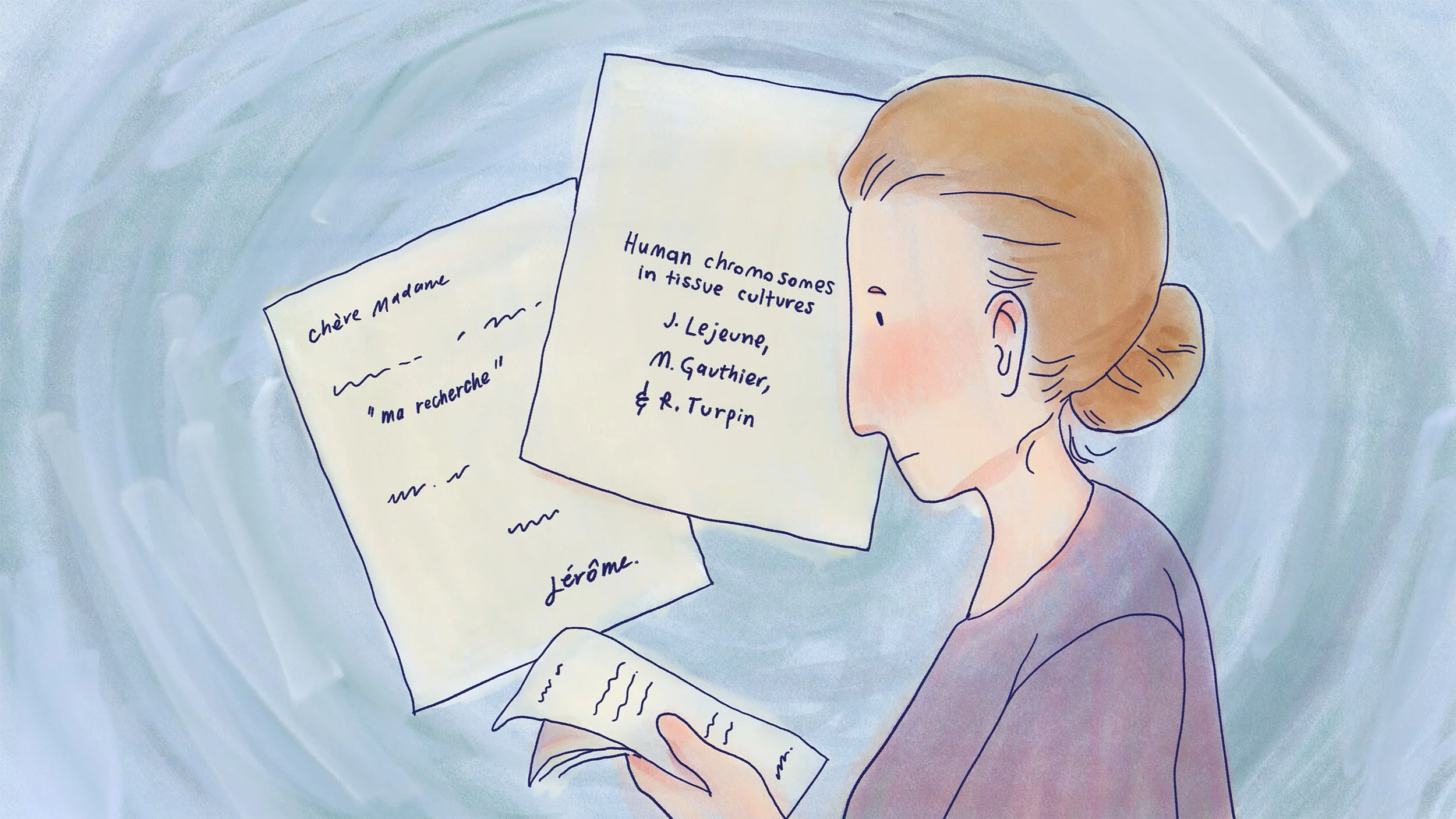
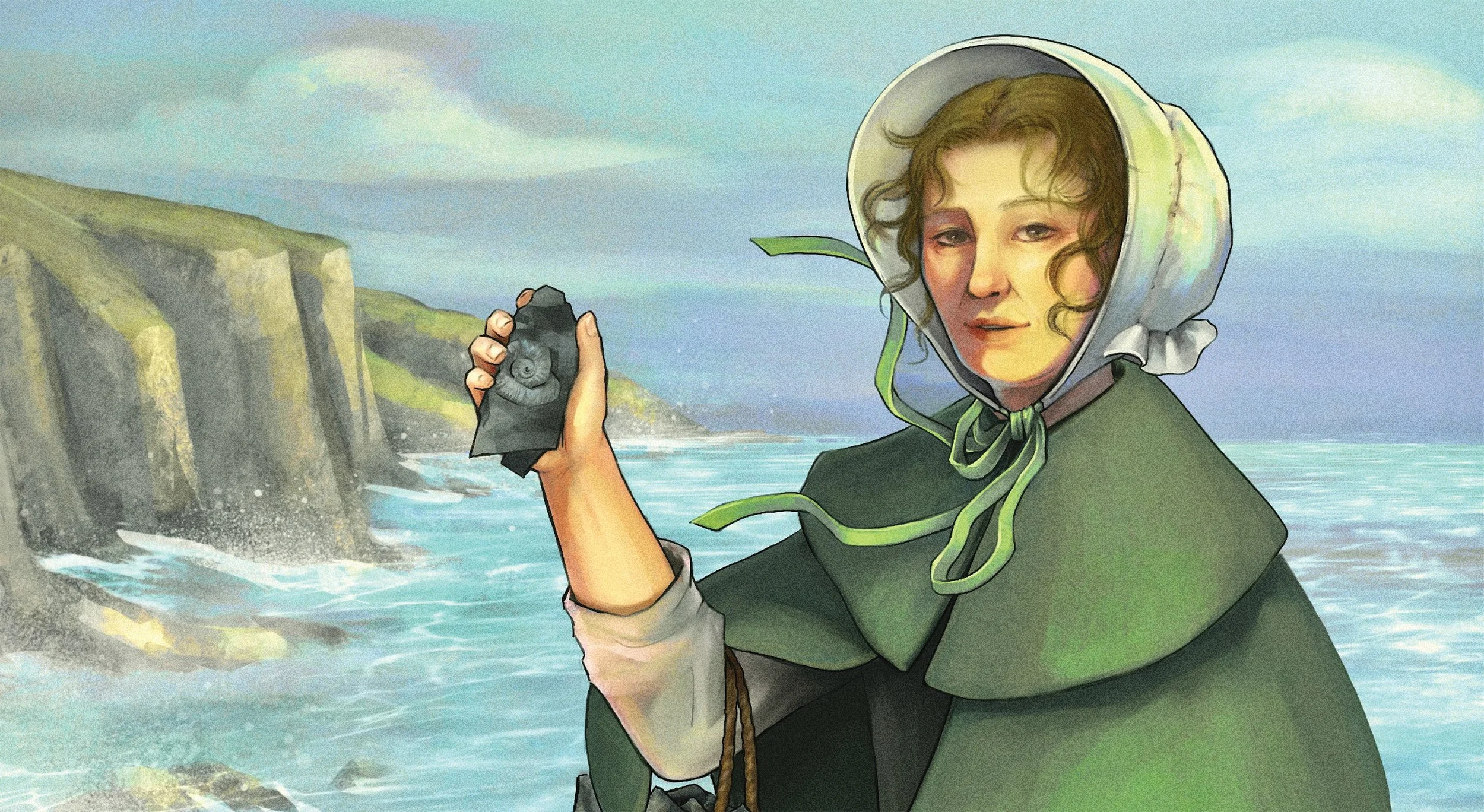
Gautier confronts the publication that announced the breakthrough, with her name being placed second.
Marthe Gautier’s name was placed second, erasing her status as the first author, who, in usual practice, was the contributor who designed and carried out the experiments. Listed second, as if she played the role of assistant or technician to the genius. However, the true mockery of her efforts was compounded by the way her name was rendered and repeated in later tellings, turning recognition into something perilously close to erasure. At the very moment her achievement should have been publicly secured, it began instead to slip from her hands.
The triumph meant that even after two devastating wars and a great depression, France was still a prominent figure in science.
Instead, Lejeune was showered with copious awards, was promoted to professor of cytogenetics without the usual tenureship process, and lived a life of ever-increasing fame alongside the expansion of this discipline. He was publicly renowned as the “father of trisomy 21”. While he was propelled into stardom, Marthe focused her career on pediatric cardiology. She knew that if she spoke up against her senior professor, she would be blacklisted and would essentially end her career. Disillusioned by the handling of her discovery and guided by her passion for pediatric cardiology, Marthe left Turpin’s hospital, joined a different hospital, and began her own private practice.
From there, she built a vibrant life intertwined with her love for the arts, her patients and, of course, research. Alongside her hospital job and private practice, she went to work for INSERM, a French national research institution, where she published many papers on topics including but not limited to infant rheumatic fever, congenital heart disease and pediatric liver diseases.
In the Name of Women
In 2014, more than 50 years after her discovery, Marthe Gautier, then eighty-eight, was awarded a top prize from the French Foundation for Human Genetics amid a renewed wave of advocacy around her obscured labour. Gautier felt that her time for redemption had finally come. She prepared a speech to share her story of discovery with young geneticists, with the hope that the truth might at last be publicly acknowledged. As Gautier later reflected, she carried the sense of being history’s “forgotten discoverer”:
Yet the ceremony that was meant to recognize her never happened. Just hours before her speech, the Jérôme Lejeune Foundation, which has described itself as a major funder of genetic research in France, sent representatives, court order in hand. They claimed her remarks would “tarnish” the late doctor’s legacy, though he had died two decades earlier. The organizers, fearful of a lawsuit, cancelled the public event. Instead, they held a private ceremony at her hotel, where they handed her the medal.
Gautier’s voice was once again silenced.
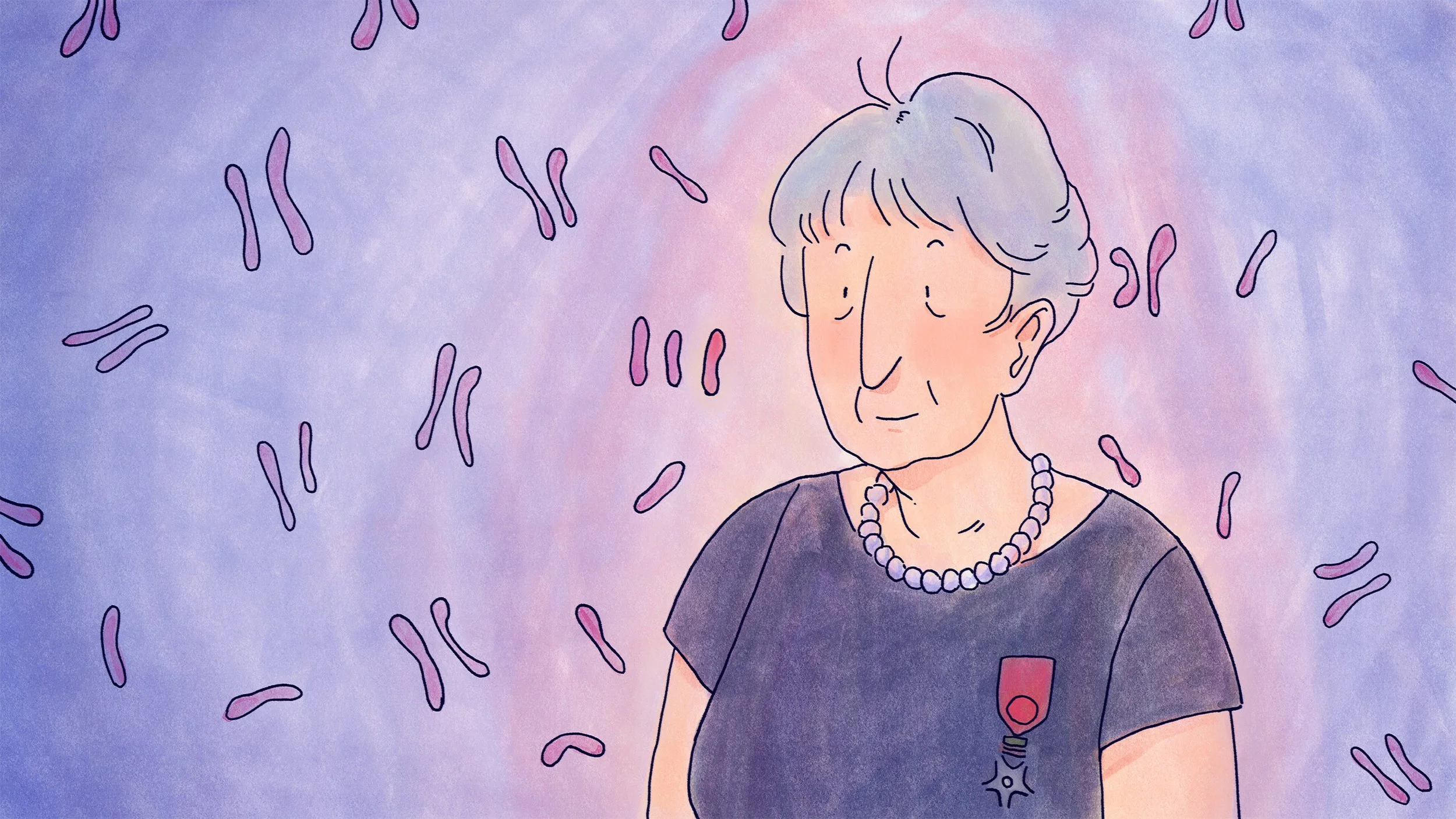
Later in life, Marthe Gautier stands against the legacy of a discovery that reshaped genetics, even as recognition came slowly and incompletely.
As her great-niece Tatiana Giraud later recalled, the strain of that renewed silencing affected Gautier deeply, even manifesting physically in the loss of her hair. It was a stark reminder that historical erasure is not abstract. It exacts a human cost.
Dr. Marthe Gautier, M.D., beloved researcher, passed away on April 30, 2022.
Her challenges and sacrifices exemplified the mistreatment of women in the scientific field. Her story illuminates how easily a woman’s passion, triumphs, and name can be pushed to the margins of history. And yet, Marthe Gautier’s story endures. It remains an example of how easily a woman’s achievements can be rewritten by others, and why reclaiming these stories matters for future generations.
Mother of Modern GeneticsDr. Marthe Gautier, through unwavering commitment and technical expertise, uncovered the extra chromosome behind Down syndrome. Her discovery became a beacon of hope for families of patients with Down syndrome. For generations, the cause of Down syndrome had been theorized, hypothesized, and never brought fully to light. By identifying the cause of Down syndrome, one of the most common developmental disabilities, Gautier changed not only what medicine knew, but what it could do. Her work gave clinicians, researchers, and caregivers a new foundation from which to understand the condition with greater clarity.
Her discovery helped shape entire fields of developmental care and research. It made possible a more precise understanding of diagnosis, prognosis, and support, not only for people with Down syndrome, but for the broader study of chromosomal conditions. Dr. Gautier helped lay the groundwork for later advances in prenatal cytogenetic testing and in the clinical care surrounding developmental disability more broadly. What she made visible in one small laboratory would echo across decades of medicine.
And for more than 50 years, her name was buried.
Today, every prenatal chromosome test and developmental disability diagnosis traces its lineage back to the moment Gautier counted forty-seven chromosomes in a dimly lit closet laboratory.
We have authored and illustrated this entry with care and respect, aiming to achieve the highest standards through diligent, balanced research. We also strive to maintain the highest standards of accuracy and fairness to ensure information is diligently researched and regularly updated. Please contact us should you have further perspectives or ideas to share on this article.
-
Engel, R. (2013, March 6). Interview with Dr. Marthe Gautier, discoverer of trisomy 21. RenewAmerica.
Galliot, L., McNulty, S., & The Lost Women of Science Initiative. (2025, February 6). Who discovered the cause of Down syndrome? Scientific American. https://www.scientificamerican.com/article/who-discovered-the-cause-of-down-syndrome/
Galliot, L., McNulty, S., & The Lost Women of Science Initiative. (2025, February 13). This researcher discovered the cause of Down syndrome, but for 50 years got none of the credit. Scientific American. https://www.scientificamerican.com/article/this-researcher-discovered-the-cause-of-down-syndrome-but-for-50-years-got/
Gautier, M., & Harper, P. S. (2009). Fiftieth anniversary of trisomy 21: Returning to a discovery. Human Genetics, 126(2), 317–324. https://doi.org/10.1007/s00439-009-0690-1
Grady, D. (2022, May 14). Marthe Gautier, 96, dies; had key role in Down syndrome breakthrough. The New York Times.
Lavaud, S. (2022, May 18). Marthe Gautier, “forgotten” discoverer of trisomy 21, dies. Medscape. https://www.medscape.com/viewarticle/974222?form=fpf
Pain, E. (2014, February 11). After more than 50 years, a dispute over Down syndrome discovery. Science. https://www.science.org/content/article/after-more-50-years-dispute-over-down-syndrome-discovery
Seidl, C. A. (2022, October 7). Marthe Gautier, forgotten by the misogynistic march of history. Cas d’intérêt. https://casdinteret.com/2022/10/marthe-gautier-forgotten-by-the-misogynistic-march-of-history/
Seidl, C. A. (2022, October 21). Jerome Lejeune, the saint who stole the scientific spotlight. Cas d’intérêt. https://casdinteret.com/2022/10/jerome-lejeune-the-saint-who-stole-the-scientific-spotlight/
-
Website Name: The Matilda Project
Title of Entry: Marthe Gautier, Paediatric Cardiologist: Mother of Modern Genetics
Author: Minahil Khawaja
Illustrator: Emily Huang
Editor: Shehroze Saharan
Original Publication Date: May 03, 2026
Last Updated: May 03, 2026
Copyright: CC BY-NC-ND
Webpage Specific Tags: Marthe Gautier; Paediatric cardiologist; Pediatrics; Pediatric cardiology; Medical genetics; Cytogenetics; Trisomy 21; Down syndrome; Chromosomes; Chromosome 21; Cell culture; Human genetics; French science; Women in science; Women in STEM; Scientific recognition; Scientific marginalization; Gender and science; Class and science; History of genetics; History of medicine; Post-war science; Harvard Medical School; Armand-Trousseau Hospital; Raymond Turpin; Jérôme Lejeune; Robert Debré; INSERM; Chromosomal disorders; Developmental disability; French Academy of Sciences; Medical discovery; Scientific credit; The Matilda Effect
Website Tags: The Matilda Project, The Matilda Effect; Margaret W. Rossiter; Matilda Joslyn Gage; Implicit bias; Unconscious bias; Gender attribution bias; Scientific recognition bias; Gender discrimination in academia; Stereotype threat; Pay gap in STEM; Glass ceiling in science; Sexism in scientific research; Gender stereotypes in education; Gender bias in peer review; Bias in STEM hiring practices; Impact of gender bias on scientific innovation; Underrecognition of female scientists; History of women in science; Women scientists in history; Notable women in science; Pioneering women scientists; Women Nobel laureates; Female role models in science; Gender disparities in scientific research; Women's suffrage movement; Historical women's rights leaders; Historian of science; STEM gender gap; Women in STEM; STEM education; Challenges faced by women in STEM; Representation of women in tech; Initiatives to support women in STEM; Gender equity in STEM education; Encouraging girls in STEM; STEM outreach programs; Diversity in STEM curriculum; Equity, Diversity, Inclusion; Equity in education and workplace; Diversity training; Inclusion strategies; Inclusive leadership; Gender equality; Racial equity; Pay equity and transparency; Representation in media.
-
APA Citation:
Khawaja, M. (2026, April 5). Marthe Gautier, Paediatric Cardiologist: Mother of Modern Genetics. The Matilda Project. https://www.thematildaproject.com/scientists/marthe-gautier
Author
Minahil Khawaja
PharmD Candidate, Leslie Dan Faculty of Pharmacy, University of Toronto
Minahil Khawaja pursued a Bachelor of Science in Chemical Biology at the University of British Columbia. A degree that bridged the gap between the fundamental building blocks of life and critical analysis.
Two years into the degree, she was accepted into Pharmacy school, where she developed clinical skills and expanded her research knowledge base. Her background and current education continuously allow her to assess the validity and effect of clinical trials in emerging drug and medical developments. Hence, she recognizes that the exploitations in research that brought us to where we are today have been systematically erased. As well as, she would not be where she is today without the woman who came before her.
Minahil advocates for women in leadership and strives to create community wherever she goes. She is passionate about providing care to underserved communities, women's health, infectious diseases and more. To conclude, she would like to thank Dr. Marthe Gautier for all her sacrifices and all her contributions.
Illustrator