Jewel Plummer Cobb
1924 – 2017
Jewel Plummer Cobb
Cell Biologist
Melanoma
Cancer Research
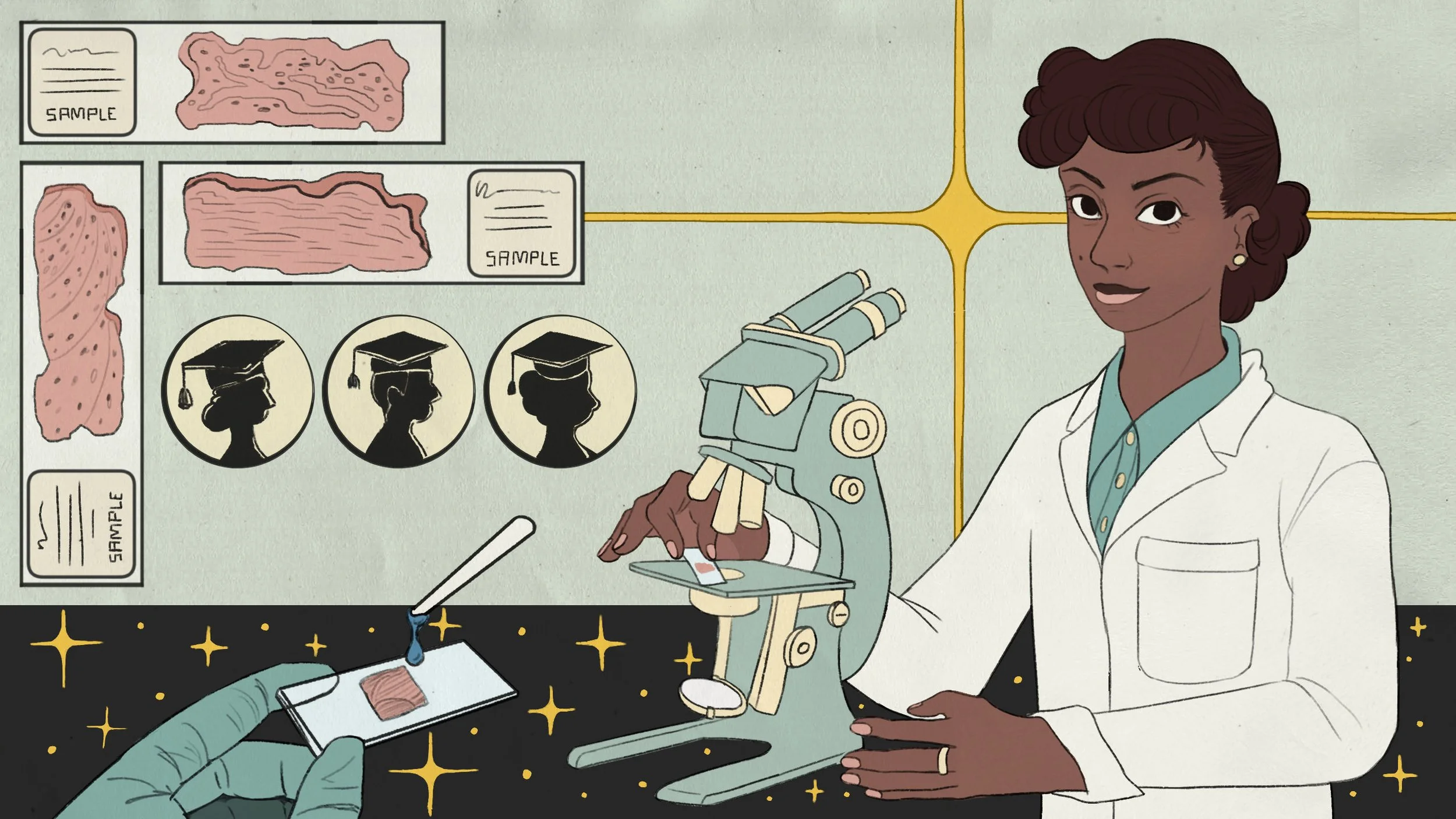
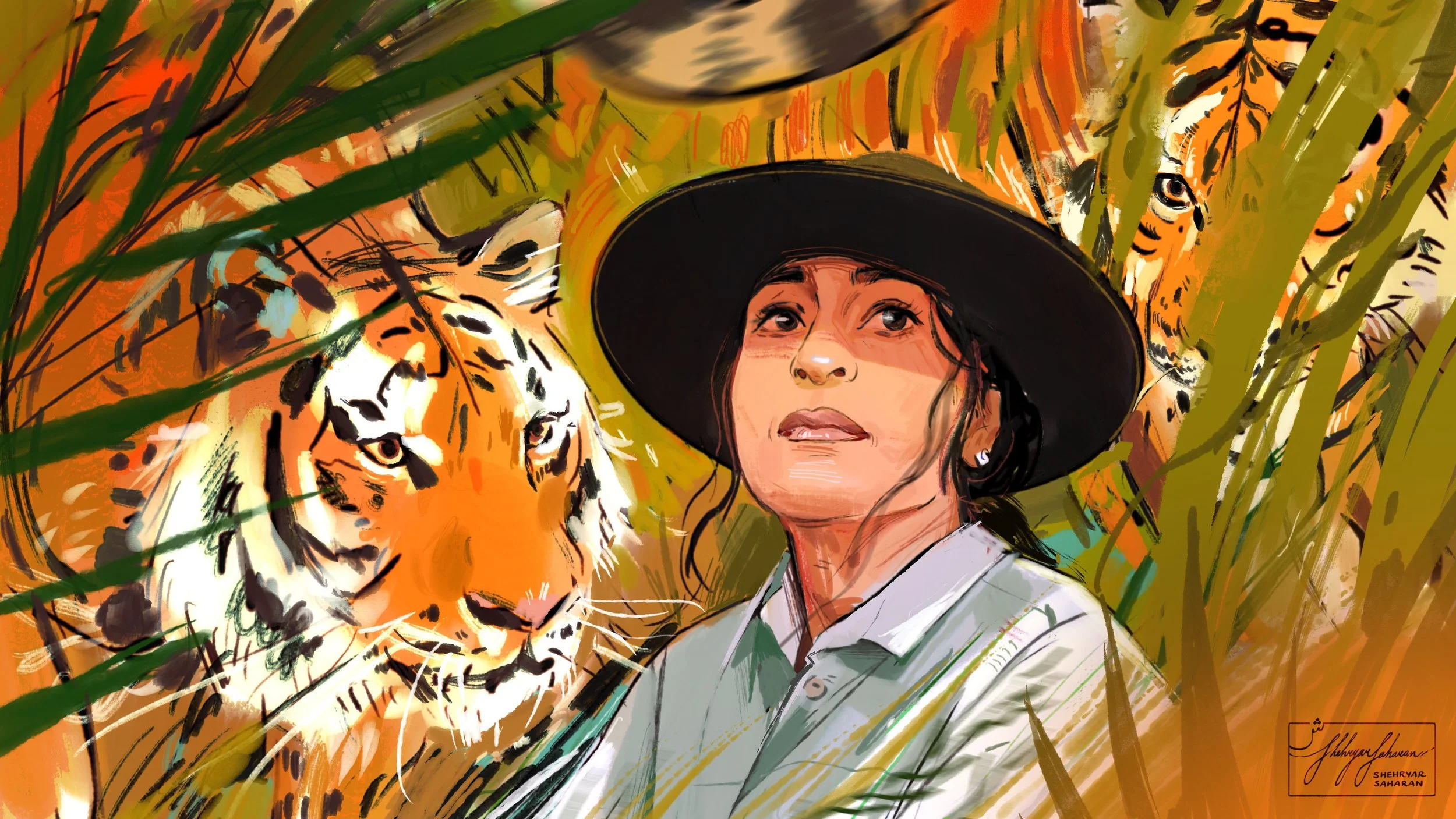
Portrait of Jewel Plummer Cobb.
Microscopic Beginnings Jewel Isadora Plummer Cobb was born on January 17, 1924, in the cold of a Chicago winter to her parents, Frank Victor Plummer and Carriebel Cole Plummer. She became an extraordinary Black American scientist, social advocate, and academic leader. As a biologist, she made essential contributions to scientific understandings of melanin and to the treatment of skin cancers; as an academic leader and administrator, she worked fervently to open doors for others, making STEM education more accessible to students, especially women, Black students, and other students of colour.
Her family included talented trailblazers in fields ranging from medicine to the arts. Though many were born into inequality and hardship shaped by racism, segregation, and slavery, several members of her family built aspirational lives through skill, fearlessness, and persistence.
The Cole-Plummer family’s legacy of breaking barriers and pursuing higher education despite countless systemic forms of oppression likely contributed to Jewel developing similar interests, as well as the support needed to pursue them. Jewel and Carriebel were both deeply interested in genealogy, researching and collecting information on their family’s history. In Cobb’s story, family history is not simply background. It helps explain the conditions that made her scientific life possible: the inherited value placed on education, the example of Black excellence across disciplines, and the persistence required to pursue knowledge in institutions that had long excluded people like her. A glimpse into some of those family stories and careers helps illuminate the ambition, intellect, and resilience that surrounded Jewel from the beginning.
Frank, born on December 10, 1889, was a highly motivated student. In June 1907, he became the first Black person to graduate with a medical degree from Cornell University in New York, where he excelled academically. During World War I, he was drafted into the army, served at Camp Grant, and eventually became an army medic. Afterwards, he completed further training in dermatology through the University of Chicago and Provident Hospital, then spent the next 42 years as a practicing physician and surgeon specializing in dermatology, working first at the Chicago Board of Health and later from his own office in the city.
Frank’s father, Robert Francis Plummer, was born on September 7, 1861. He enrolled at Howard University in Washington, D.C., in 1883, first entering the “Normal Department,” a teacher education program, before switching into pharmacy in 1887 and graduating with the class of 1889–1890. He later moved to Mississippi, where he became a pharmacist and owned a drugstore. Jewel recalled that around 1900, amid extreme racism, the store where the family also lived was set on fire. The family escaped with only their immediate possessions and moved to Ithaca, New York.
Robert had been born into slavery, along with his siblings and his parents, Adam Francis Plummer and Katie E. Cook. The Plummer family’s legacy has been featured in the University of Maryland’s “The 1856 Project” and the Anacostia Community Museum article “Hand of Freedom: The Life and Legacy of the Plummer Family,” which traces the family’s pursuit of knowledge, bravery, and fierce loyalty to one another. Adam secretly learned to read and write, kept a diary, and taught his daughters to do the same. Nellie Arnold Plummer, one of Adam’s daughters and Robert’s twin, taught for over 40 years and used all her savings to publish Out of the Depths; or, The Triumph of the Cross.
After numerous escapes, the Plummers eventually settled in Prince George’s County at a family homestead they named Mount Rose. Across generations, several members of Jewel’s family sought higher education in D.C. and beyond, foreshadowing the path she would later take.
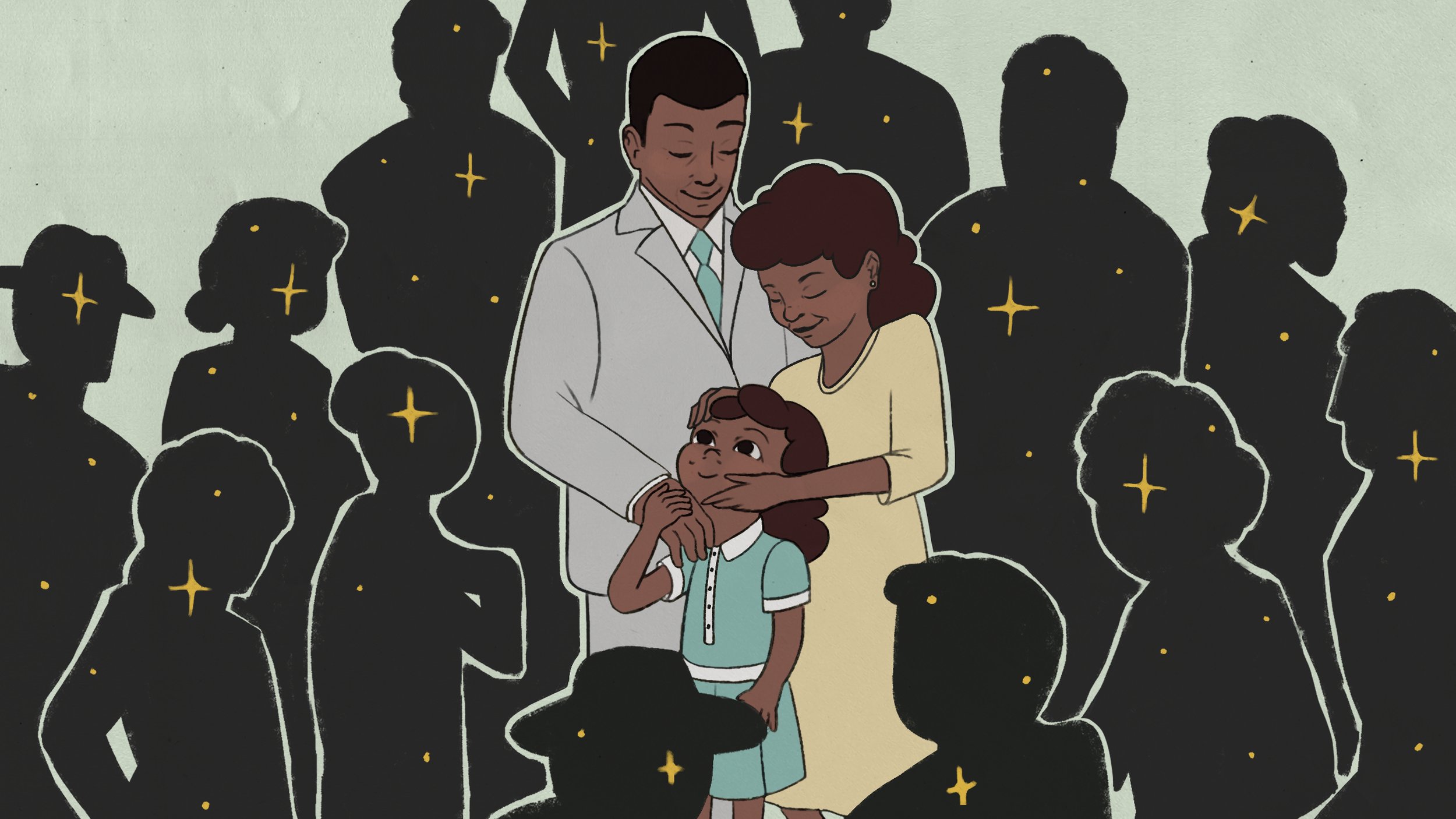
Cobb’s family history was not simply background. Across generations, the Cole-Plummer family carried forward a commitment to knowledge, creativity, and persistence despite slavery, segregation, and systemic exclusion.
Carriebel’s story, also recorded as “Carriebell” in some sources, is often overlooked.
Born in 1895, raised in New York, and connected for a time to Athens, Georgia, she came from a family of artistic virtuosity: her parents and many of her siblings were professional dancers, musicians, actors, and composers. Carriebel became a physical education teacher in several public schools in the District of Columbia and directed a school of rhythmic dance with 120 enrolled students. She also composed ballet dances, including “Reverie of Youth,” “The Christmas Ballet,” and “Dances to Familiar Tunes.” In 1942, she pursued her bachelor’s degree at Roosevelt College in Chicago, around the same time that Jewel was enrolled in post-secondary education. Mother and daughter eventually received their degrees together, with Carriebel earning a Bachelor of Arts in Interpretive Dance from the Sargent School of Physical Training in Cambridge, Massachusetts.
Notably, Carriebel’s father was politically active in the post-Civil War Reconstruction era in the South, and her older brother Robert “Bob” Allen Cole Jr. wrote and produced the first musical entirely created and owned by Black showmen: A Trip to Coontown (1897), an American musical comedy that initially debuted in New Jersey and then went international in 1898.
After Carriebel had taught physical education for five years, she and Frank married on September 28, 1920, at the Bronx home of Carriebel’s sister, Dora Cole Norman. A newspaper clipping described the wedding as beautiful and simple, with Carriebel carrying roses and lilies of the valley.
They eventually moved to Chicago together to raise Jewel.
The Plummer-Cobb lineage encompasses many incredible individuals: highly motivated scholars and talented artists who continued pursuing their passions despite social inequities and systemic barriers. This passion and brilliance continued through Jewel’s life, shaping the scientist, educator, and advocate she became.
A Budding PassionJewel’s parents were fundamental in supporting her early passion for learning and achievement. As an only child in an upper-middle-class family, she received the financial and emotional support Frank and Carriebel could provide, allowing her to explore her interests with unusual freedom. Growing up in the 1920s and 1930s, she immersed herself in intellectual exploration, spending large portions of her free time in her father’s scientific library and developing a passion for the subjects she encountered there. As Cobb later recalled,
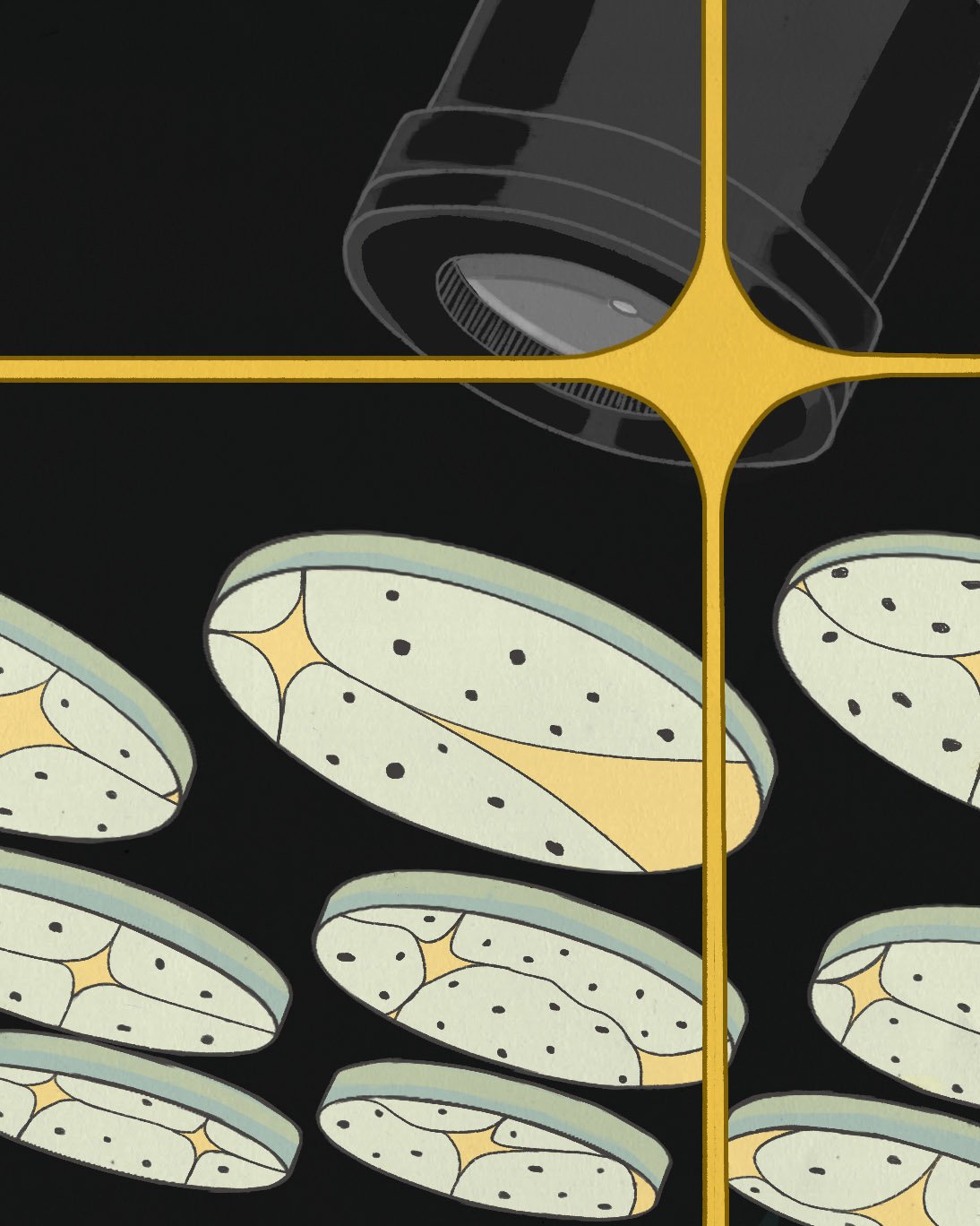
In high school, Cobb looked through a microscope for the first time and discovered a world she could not see ordinarily, a moment that helped shape her path into biology.
The Plummer-Cobb family also discussed social inequities at home. Carriebel and Frank spoke openly about racial issues facing Black people in the United States. They were active members of the National Association for the Advancement of Colored People (NAACP) and the Urban League, organizations that worked to advance racial justice and opportunity for Black Americans.
While Jewel initially sought to pursue physical education like Carriebel, her life aspirations began to shift during a particular moment in her second year of high school.
During a biology class with her teacher, Miss Hyman, Jewel peered into a microscope for the first time.
Jewel was aware of the societal struggles Black people faced, particularly during this period, and she was encouraged to pursue academics seriously, not in spite of those realities, but because of them. While she decided to follow her family’s path into the medical sciences, she chose to contribute to the field through hands-on research rather than the direct patient care practiced by her father and others on his side of the family.
During the 1940s, fewer than 1% of Black adults in the United States held a bachelor’s degree. By 2020, that figure had risen to 26%, still below the national average of 36%. The intersection of Jewel’s Blackness and womanhood placed her at a significant disadvantage, including compared with white women, who had greater access to certain manufacturing or mechanical jobs during this period. Black women were severely restricted in the educational opportunities and careers available to them.
Jewel did not let this deter her, but the barriers were real. Racism and sexism shaped her academic and professional life, especially during her enrolment in post-secondary education.
A Journey Has Been WaitingJewel’s undergraduate journey began at the University of Michigan in the spring of 1941, when she enrolled to pursue biology. She remained there for only three semesters before transferring to Talladega College in Alabama. In a 1990 oral history interview with Lawrence B. de Graaf at California State University, Fullerton (CSUF), she described university structures that restricted and discriminated against Black students and women. Black women were only allowed to live on campus at the Smith League House, social activities were extremely limited for Black students in and around campus, and women also experienced discrimination directly on campus:
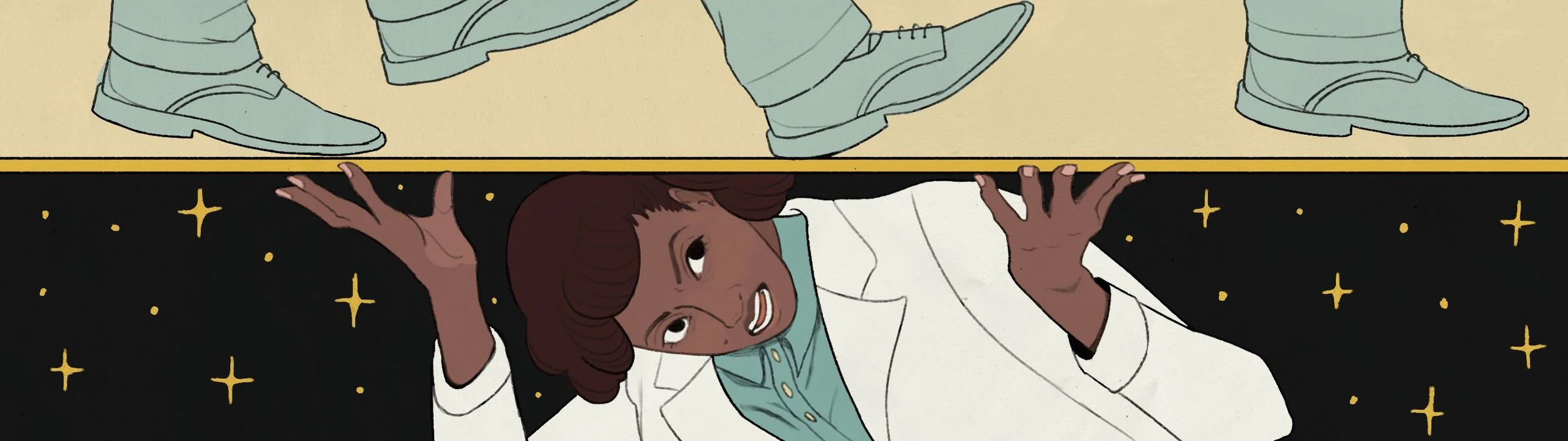
At the University of Michigan, Cobb encountered restrictions that limited where Black women students could live, study, gather, and belong. Her education unfolded under the weight of systems designed to exclude.
During her time at the university, she enrolled in courses such as biology, literature, genetics, entomology, French, and physical education, since she was still considering what career she would pursue.
That summer, Dr. Hilda Davis, Dean of Women at Talladega College, recruited Jewel and convinced her to attend the private historically Black college. Jewel later recalled meeting Talladega’s president, Buell Gallagher, and hearing him address the freshman class:
Talladega’s accelerated program allowed students to learn at their own pace and write exams when they felt ready. Although Jewel’s University of Michigan credits did not transfer, the program allowed her to take her first-year exams just 12 weeks after enrolling. She graduated from Talladega College in 1943, completing her undergraduate journey in just three and a half years.
In 2023, Talladega College honoured this legacy by establishing the Dr. Jewel Plummer Cobb Honors Program for students with “high academic potential” seeking expanded academic, social, research, and extracurricular opportunities.
Jewel thrived academically and socially in this less restrictive environment, but she and her classmates still faced severe racism in the Jim Crow South from extremist groups, establishments, and locals. Although the social environment improved on her experience in Michigan, she told de Graaf that she did not feel aligned with the South’s prevailing culture at the time. When invited to teach in Arkansas after graduation, she declined and returned east for graduate studies.
After graduating from Talladega, Jewel carried her scientific ambitions eastward to New York University, where she moved more deeply into cell physiology. She initially pursued her master’s degree as a preliminary requirement to teach high school biology as a Black educator, but a university biology teacher encouraged NYU because of its more favourable sociopolitical climate. There, she had a significantly better experience and developed her sub-specialty through courses in histology, endocrinology, cell physiology, and biochemistry. She especially enjoyed the energy and teaching style of her biochemistry professor, Dr. Milton J. Kopac, who became her graduate supervisor.
At NYU, Jewel took several courses while working as a teaching fellow. At Talladega, one of her professors had encouraged her to apply for the fellowship, but her application was denied. When she reapplied at NYU, her interview, ideas, and association with the university led to her selection. Though it is unclear why her first application was denied, possible factors may have included the small size of her undergraduate institution, as well as race and gender.
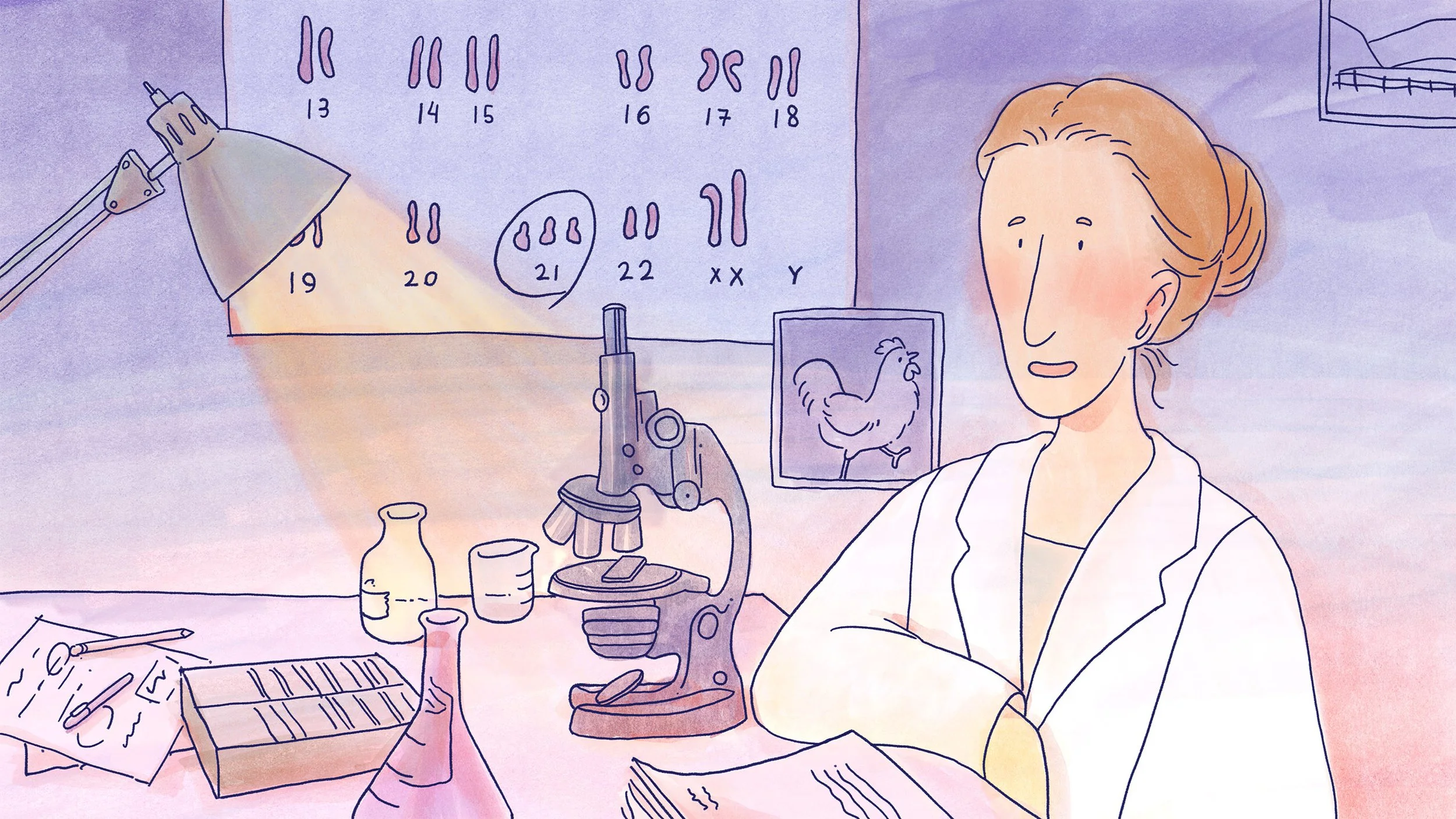
In 1947, Jewel successfully defended her thesis, “Effect of Several Aromatic Amidines on the Respiration and Aerobic Metabolism of Yeast Cells,” under Dr. Kopac’s supervision. This project measured the metabolic characteristics of cells by examining the amount of oxygen taken in and carbon dioxide given off by cells. It gave her a strong foundation in cell culture and cellular biology, which she would carry into her eventual work growing cancer cells. She obtained her master’s degree and went on to pursue her Ph.D. at NYU.
Jewel also spent summers at the Marine Biological Laboratory (MBL) in Woods Hole, Falmouth, Massachusetts, supported by her endocrinology professor, Robert Chambers, who was involved in the development of national scientific research infrastructure. In 1949, she became an independent investigator at MBL, where she continued to work during summers. Her relationship with the institution lasted decades: she became an MBL Society member in 1972, an emeritus member in 2007, served on the Campaign Steering Committee from 1997 to 2000, was a library reader from the late 1990s to the early 2000s, and in 2021, a nearby road was renamed Jewel Cobb Road in her honour.
Dr. Kopac would also be the one to suggest the subject that Jewel would study for her Ph.D.: pigmentation in cells.
Jewel presented her dissertation, “Mechanisms of Pigment Formation,” in which she examined how an enzyme called tyrosinase contributes to the formation of melanin, the pigment associated with these granules, in mammalian cells in vitro. She successfully earned her Ph.D., after which she continued to teach at NYU and later held postdoctoral positions at Harlem Hospital, Columbia University College of Physicians and Surgeons, and the National Cancer Institute of the National Institutes of Health.
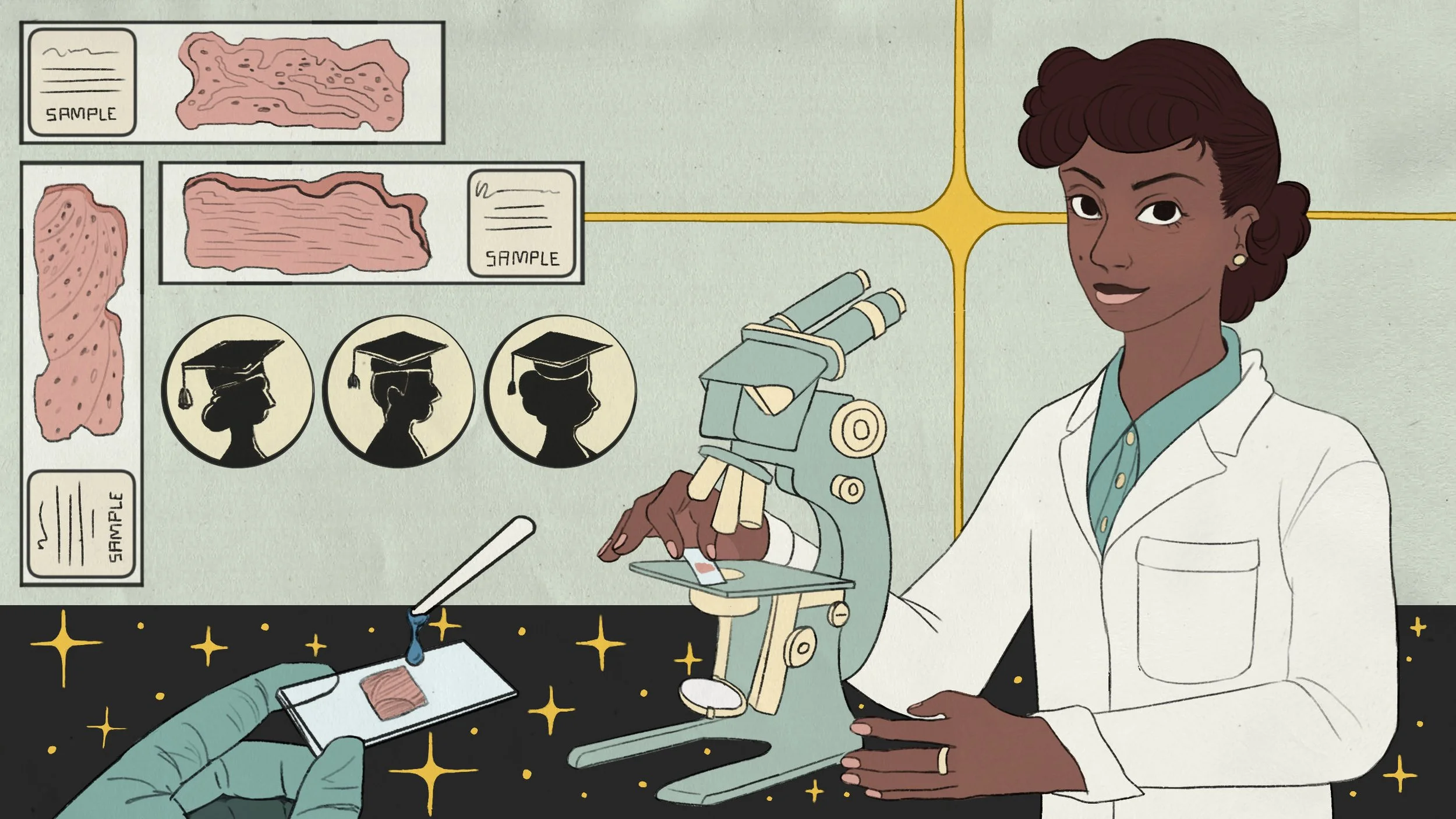
MorphogenesisAfter earning her Ph.D., Cobb’s professional research turned toward pigment cells and melanoma, a serious form of skin cancer that begins in melanocytes, the cells that produce the pigment melanin, when they grow uncontrollably and develop abnormal features. Although melanoma has multiple known risk factors and its development is still not fully understood, her research helped advance scientific understanding of how melanocytes can develop into melanomas.
Jewel and Dr. Jane C. Wright formed an important scientific partnership during the early days of pigment cell and melanocyte research. Wright, also a pioneer in oncology, worked with patients and obtained cancer tissue, while Jewel maintained and grew those cells in the lab. Wright focused on in vivo studies with her patients, while Jewel worked in vitro, using cell culture and time-lapse movies to record how cultured cells responded to various agents. She also conducted studies with mice carrying human melanomas and investigated how Aureomycin, an antibiotic, could be applied to treat keloids.
For Cobb, cancer research was never detached from the human conditions surrounding illness, treatment, and access to care. Scientific discovery alone could not resolve the unequal systems through which people received treatment. Years later, she stated plainly:
Jewel continued to publish and give talks throughout her career, remaining interested in cancer and pigment cell research even after moving away from daily laboratory work and into academic administration.
This early work became an important contribution to melanoma and pigment cell research. Wright and Cobb investigated the effects of various chemotherapy drugs on different cancers, including the changes that antimetabolite and radiomimetic chemotherapy agents, such as the antifolate drugs amethopterin and aminopterin, caused in cancer cells in vitro. Cobb also examined whether these agents could potentially target cancer cells without affecting healthy cells in patients.
Jane and Jewel performed in vitro experiments that showed it was possible to predict how some patients with certain cancers might respond to particular chemotherapy drugs. Cobb’s work also contributed to early research on methotrexate, a chemotherapy and immune-modulating medication, in relation to skin cancer, lung cancer, and childhood leukemia. Notably, Jewel presented early evidence of a relationship between melanin and skin damage. Specifically, she demonstrated that melanin, a dark pigment, can help protect cells from ultraviolet light damage associated with skin cancer. These findings led to her subsequent research into how external factors, and not genetics alone, can affect cell division and cause it to go astray. This included the effects of UV light, hormones, and chemotherapy agents on various breast cancers.
Jane and Jewel’s pioneering work on melanoma and melanin helped lay the groundwork for later research into the causes and treatment of melanoma. While many male scientists have received long-lasting recognition, Jane and Jewel’s names have echoed less strongly in oncology than those of many of their male counterparts.
A Template for Advocacy and EducatingFrom 1950 to 1952, Jewel held a fellowship from the National Cancer Institute of the National Institutes of Health, worked as a biology teaching fellow at NYU, and continued her research through postdoctoral support connected to national cancer research.
From 1952 to 1954, Jewel was an anatomy instructor at the University of Illinois College of Medicine, where she mainly taught histology and tissue culture in a cell physiology course. She established the university’s first tissue culture laboratory, taught students culturing techniques, and conducted extensive cancer research on melanoma, brain tumours, and bladder tumours. Although other Black male faculty members were already there, she is considered the first Black woman faculty member to join the University of Illinois College of Medicine. She later noted that, in many professional spaces, she was often the only Black woman present.
Harlem Hospital, the largest hospital in Central Harlem, New York, primarily served local Black patients during this period and had a mainly Black staff. During the early to mid-1950s, Jewel worked at the hospital’s Cancer Research Foundation as a postdoctoral researcher alongside Dr. Jane C. Wright, its new head. Wright had succeeded her father, Dr. Louis T. Wright, who had served as Director of Surgery and was one of the first physicians to use antifolic acid derivative drugs to treat cancer in patients.
This area became one of Cobb’s own research focuses.
Jewel grew human tumours that Wright obtained from patients at the hospital, and their research unit’s success helped her secure university positions that built toward her later rise as an academic administrator. At Harlem Hospital, Cobb and Wright produced some of the earliest studies focused on the cytotoxic effects of chemotherapy drugs when applied to human tissue cultures in vitro.
At NYU’s School of Medicine, Jewel was appointed Professor of Research Surgery, continuing her cell biology and cancer research while teaching cell biology. She and Wright continued their collaborations and pioneering studies, and during this period, she also served as a visiting lecturer at Hunter College, New York.
During the 1960s, Jewel’s path began to evolve. In 1960, following her success as a professor and researcher, Jewel was appointed head of the biology laboratory at Sarah Lawrence College in Bronxville, New York, a small private women’s college. There, she established the college’s first tissue culture lab with NCI funding and became the first Black faculty member at the college.
Her work as a leader and teacher continued to expand as she introduced women to science and experimental research techniques. She secured funding to work with high school teachers to enhance the biology curriculum, helping students obtain more equitable access to science education, and suggested a program in which college students would serve as high school teachers’ aides. This work reflected Cobb’s belief that scientific possibility had to be cultivated early, through encouragement, access, and intellectual stimulation:
During her tenure at Sarah Lawrence, she also received a National Science Foundation grant for a seven-month sabbatical at the Laboratorio Internazionale di Genetica e Biofisica in Naples, Italy, where she studied tumour viruses. Jewel stayed at Sarah Lawrence until 1969, when she began her transition from professor to academic administrator.
Totipotent PossibilitiesJewel was deeply dedicated to helping others pursue careers in science and to dismantling the systemic barriers that had barred so many women of colour from doing so. She wanted to make substantial, tangible changes to the quality of education available to Black people in the United States, especially at the institutional level, and saw academic leadership as a way to make that change herself.
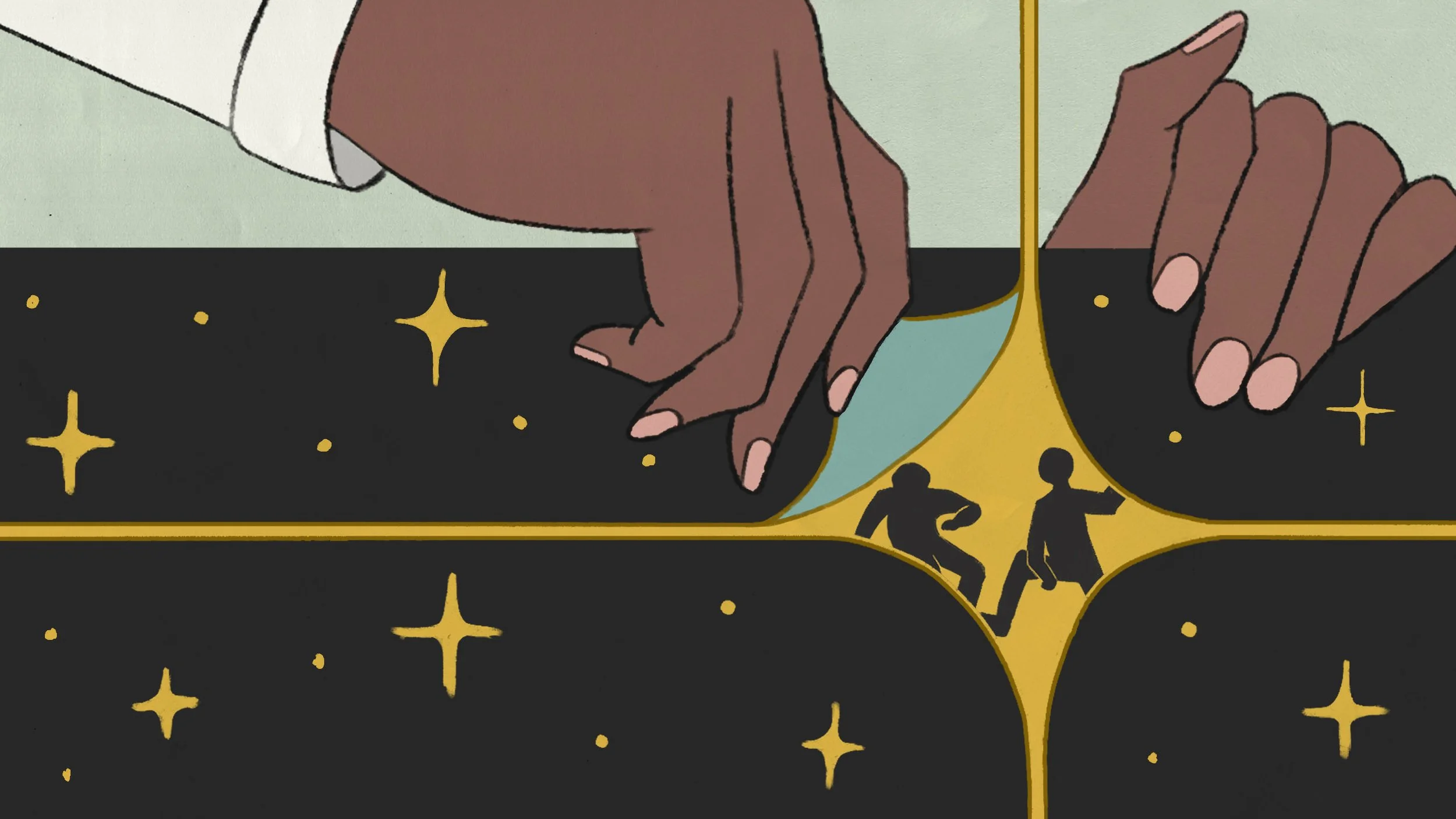
Cobb’s research advanced early understandings of pigment cells, melanin, melanoma, and chemotherapy response, helping lay groundwork for later cancer research.
Indeed, in 1969, Jewel was appointed Dean of Arts and Sciences and professor of zoology at Connecticut College, becoming the first Black dean in the college’s history.
She continued to make science more accessible through initiatives that provided financial support to students, including a scholarship program for Black students pursuing careers in science and a post-baccalaureate program, described as the first of its kind, to help underrepresented students pursue medical or dental training. She also chaired the financial aid committee, directed the cell biology laboratory built specifically for her, fulfilled her teaching requirements, and spent much of her time helping students prepare for post-graduation exams, secure funding, and pursue international opportunities.
In 1976, Jewel left Connecticut College to become Dean of Douglass College, the women’s college of Rutgers, the State University of New Jersey, and professor of biological sciences. Rutgers’ sixth dean and first Black administrator, she also became a tenured professor in the Department of Biology. She continued raising funds for better representation of women and minorities in science, and in 1979 published “Filters for Women in Science,” where she examined the forces discouraging women from science-based careers and argued that women faced barriers men did not experience in the same way, creating persistent inequity in scientific opportunity.
Cobb understood the absence of Black students from laboratories and academic settings not as a lack of ability, but as the result of systems that failed to nourish talent early and consistently.
In 1979, Jewel was recommended as a candidate for president of Hunter College, a public university in New York City. However, despite being one of the final candidates, she was not selected for the role. Hunter College was founded in 1870 as a women’s college and began admitting male freshmen in 1946. At the time of the search, Cobb’s candidacy unfolded in a racially charged context, with opposition to the possibility of Hunter College having a Black president despite her exceptional qualifications. Black civic groups and organizations supporting women in science protested Hunter College’s decision not to appoint her and petitioned in support of her candidacy. If selected, she would have been the first Black president of Hunter College.
Instead, even with excellent recommendations and an already distinguished record as an academic leader, researcher, scholar, and dean of two institutions, she was not offered the role.
In October 1981, Jewel became the third president of Cal State Fullerton and the first Black woman to lead a major university in the western United States. She was also the first CSUF president hired from outside the university. She worked tirelessly to expand the campus, helping secure private and state funding to improve facilities, construct new buildings, increase enrollment, establish the School of Communications, the School of Engineering and Computer Science, and the Ruby Gerontology Center, and build the first student dormitories on campus, now named after her.
Her advocacy for students and creation of more equitable pathways into education and professional careers for women and minorities left a lasting institutional impact. In 1989, she oversaw the opening of a satellite campus in Mission Viejo, later moved to Irvine to expand CSUF’s outreach in south Orange County. She also created relationships with international educational institutions and partnered with Marriott to build a hotel on campus. In August 1990, Jewel retired under a mandatory retirement policy that did not allow staff over the age of 65 to remain employed. Later, CSUF established the Jewel Plummer Cobb Scholarship Endowment at the Cal State Fullerton Philanthropic Foundation.
Jewel continued supporting Black students and advocating for equitable access to science education after leaving CSUF. She became a trustee professor at Cal State Los Angeles and helped establish programs such as the Science Technology Engineering Program Up for Youth, or STEP Up for Youth, and the Pueblo Science ASCEND Project. Additionally, she directed the ACCESS Center to increase the number of economically disadvantaged students pursuing careers in math, science, and engineering.
Life CycleWhile Jewel’s journey through science and academia was shaped by hardship and discrimination, her achievements were recognized across many of the same institutional spaces she had worked to transform.
This recognition did not erase the barriers she faced or fully correct the imbalance of attention often given to her male peers, but the breadth of her honours reveals the remarkable range of her life’s work: cancer research, academic leadership, public service, and the expansion of opportunity for women and underrepresented students in science.
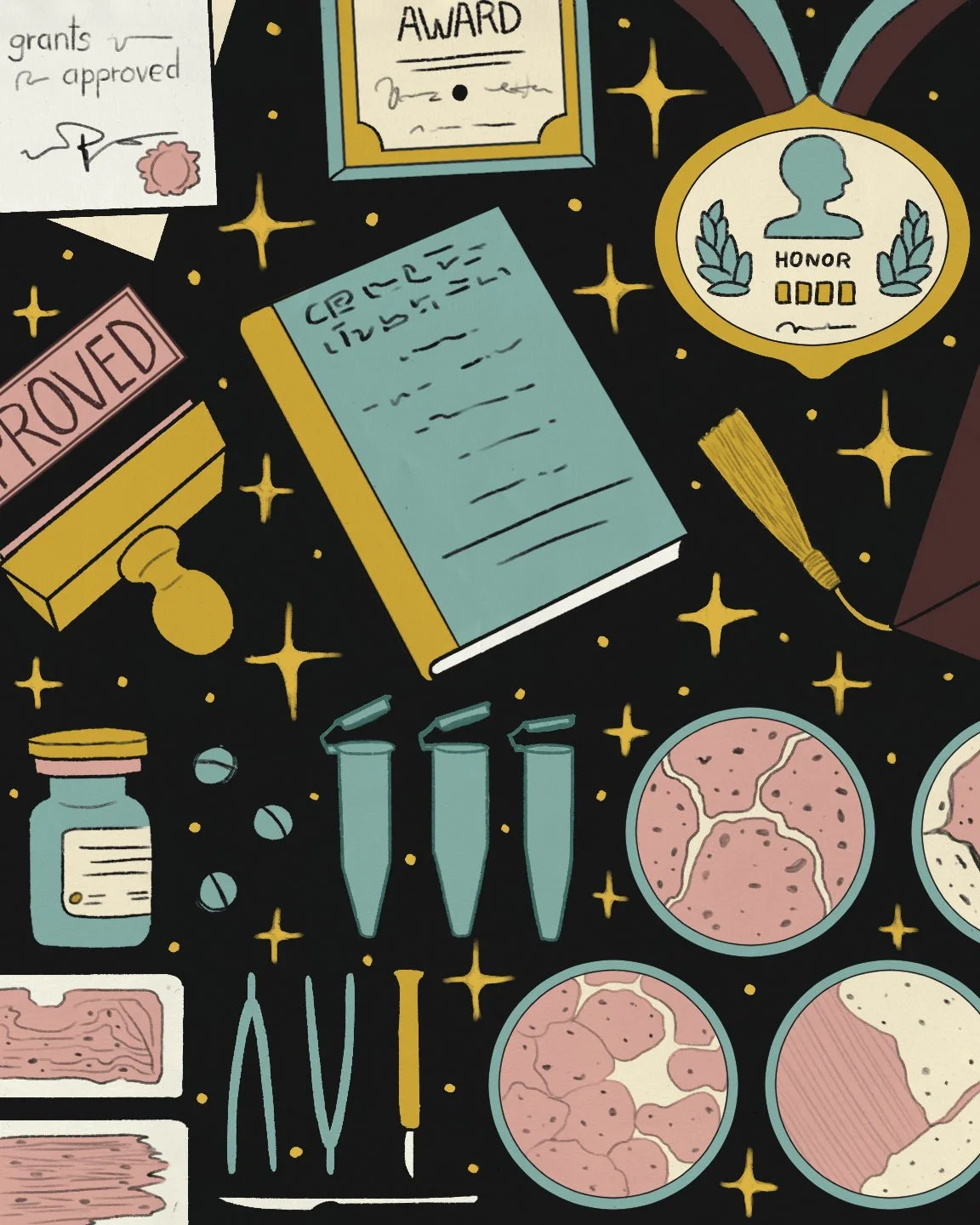
As an educator, dean, university president, and advocate, Cobb worked to open pathways into science for Black students, women, and other underrepresented communities.
Over the course of her career, Jewel received more than 20 honorary doctorates from universities across the United States, including institutions in Massachusetts, Connecticut, New York, New Jersey, and Georgia. These honours reflected her contributions to oncology and cell biology, her influence as an educator and institutional leader, and the ways her administrative work changed who could imagine a future in laboratories, classrooms, and university leadership.
In 1993, she received the Lifetime Achievement Award for Contributions to the Advancement of Women and Underrepresented Minorities, presented by the National Academy of Sciences and the National Science Foundation. In 2001, she became one of the first recipients of the Reginald Wilson Diversity Leadership Award from the American Council on Education, an honour recognizing leaders who have “demonstrated leadership and commitment on a national level to the advancement of racial and ethnic minorities and other underrepresented populations in higher education” (Reginald Wilson Diversity Leadership Award, n.d.).
Her influence also extended through national boards, scientific organizations, and higher education committees, including leadership and advisory roles connected to the National Science Board, the Marine Biological Laboratory, the American Council on Education, the American Association for the Advancement of Science, and committees focused on expanding opportunities for women and minorities in science. These appointments placed Cobb in rooms where policies, priorities, and institutional futures were being shaped. She was being honoured by the system while helping to redesign parts of it.
Following her retirement from Cal State Fullerton in 1990, Jewel was named President Emerita, a distinction that marked her service as the university’s third president and the lasting impact of her leadership. Across the decades, the honours attached to her name became more than a record of achievement. They formed a map of the fields she had touched: biology, oncology, women’s education, public higher education, science policy, and equity in STEM.
A selected list of Cobb’s honours, honorary degrees, board appointments, and institutional recognitions appears at the end of this entry.
RememberedJewel’s life was one of brilliance, vibrancy, intellectual discipline, and purposeful leadership.
Her legacy reaches across science, education, and institutional change: through her pioneering contributions to cancer research and through the pathways she created in academic spaces and institutions, allowing others, particularly women of colour in science, to follow in her footsteps while creating paths of their own. As Norma Morris, emeritus staff assistant to the president at Cal State Fullerton, put it,
Near the end of her life, she decided to write a memoir, and her son, Roy Jonathan Cobb, encouraged her to keep diaries of her thoughts, memories, and reflections. Jewel also continued pursuing genealogy, investigating her family’s history and preserving ancestral materials, including one of the few known copies of her grand-aunt Nellie’s book, while another was held in the Library of Congress as of 1990.
Jewel died at the age of 92 in her home in Maplewood, New Jersey, after complications from Alzheimer’s disease. She left behind a life that had moved through laboratories, classrooms, boardrooms, and family archives, always returning to the question of what others might be given the chance to become. She was fiercely loved and was survived by her son, Roy, who earned an M.D. in 1983, her granddaughter Jordan, and her daughter-in-law, Suzzanne Douglas.
In that statement lies one of the clearest expressions of Jewel Plummer Cobb’s life’s work. She did not understand science as separate from human possibility. For her, research, teaching, mentorship, administration, and advocacy were part of the same commitment: to help people recognize capacities that unjust systems had tried to deny. Her life’s brilliance was in what she discovered and in what she made possible for others.
We have authored and illustrated this entry with care and respect, aiming to achieve the highest standards through diligent, balanced research. We also strive to maintain the highest standards of accuracy and fairness to ensure information is diligently researched and regularly updated. Please contact us should you have further perspectives or ideas to share on this article.
-
Honorary degrees: Jewel Plummer Cobb received more than 20 honorary doctorates, including honours from Rutgers University, Trinity College, City College of New York, Rensselaer Polytechnic Institute, Spelman College, Smith College, and Wesleyan University.
National Academy of Sciences/National Science Foundation: Lifetime Achievement Award for Contributions to the Advancement of Women and Underrepresented Minorities, 1993.
American Council on Education: Reginald Wilson Diversity Leadership Award, 2001.
Rutgers University: The Douglass Medal.
New York University: Outstanding Woman Alumna.
Connecticut Women’s Hall of Fame: Inductee recognition for her contributions to science, education, and equity.
National Science Board: Served as a policymaker for the National Science Foundation.
Marine Biological Laboratory: Longstanding member and contributor to the MBL community.
National Academy of Medicine: Elected in recognition of professional achievement and commitment to service.
Committees and boards: Served on national committees and boards focused on women in science, minority participation in higher education, academic leadership, and equitable access to STEM.
-
Blood Cancer UK. (2024, September 27). Dr Jewel Plummer Cobb: Cancer researcher and champion of equality. https://bloodcancer.org.uk/news/dr-jewel-plummer-cobb-cancer-researcher-and-champion-of-equality/
Cheeseman Day, J. (2020, October 6). 88% of Blacks have a high school diploma, 26% a bachelor’s degree. U.S. Census Bureau. https://www.census.gov/library/stories/2020/06/black-high-school-attainment-nearly-on-par-with-national-average.html
Coats, D. (2020, February 12). Remembering Jewel Plummer Cobb, the first Black woman to lead a major university in the western United States. College of Business and Economics at CSUF.
Cobb, J. P. (1956). Effect of in vitro X irradiation on pigmented and pale slices of Cloudman S91 mouse melanoma as measured by subsequent proliferation in vivo. Journal of the National Cancer Institute, 17(5), 657–666.
Cobb, J. P. (1990, March–July). Oral history interview by Lawrence B. de Graaf [Tape recordings/transcript]. California State University, Fullerton.
Cobb, J. P., & Walker, D. G. (1960). Studies on human melanoma cells in tissue culture. I. Growth characteristics and cytology. Cancer Research, 20, 858–867.
Cobb, J. P., & Wright, J. C. (1959). Studies on a craniopharyngioma in tissue culture. I. Growth characteristics and alterations produced following exposure to two radiomimetic agents. Journal of Neuropathology and Experimental Neurology, 18, 563–568. https://doi.org/10.1097/00005072-195910000-00007
Cobb, J. P., Walker, D. G., & Wright, J. C. (1961). Comparative chemotherapy studies on primary short-term cultures of human normal, benign, and malignant tumor tissues: A five-year study. Cancer Research, 21, 583–590.
Connecticut Women’s Hall of Fame. (n.d.). Jewel Plummer Cobb. Retrieved April 30, 2026, from https://www.cwhf.org/inductees/jewel-plummer-cobb
Cunningham, J. S., & Zalokar, N. (1992). The economic progress of Black women, 1940–1980: Occupational distribution and relative wages. ILR Review, 45(3), 540–555. https://doi.org/10.2307/2524277
Finley, S. D. (2024). Jewel Plummer Cobb: A trailblazing life of impact. Current Biology, 34(24), R1205–R1211. https://doi.org/10.1016/j.cub.2024.11.008
Frank V. Plummer. (1964, May 12). Chicago Tribune, 20.
Hughes, C., & Ludewig, S. (2021, February 25). 1856 Project update: Telling Adam Plummer’s story. Terrapin Tales. https://umdarchives.wordpress.com/2021/02/25/1856-project-update-telling-adam-plummers-story/
Jewel Plummer Cobb papers, 1897–2020 [bulk 1942–1990]. (n.d.). The New York Public Library Archives & Manuscripts. Retrieved March 28, 2026, from https://archives.nypl.org/scm/20617
Lanker, B. (1989). I dream a world: Portraits of Black women who changed America. Stewart, Tabori & Chang.
Marine Biological Laboratory. (n.d.). Jewel Plummer Cobb. Retrieved January 12, 2026, from https://www.mbl.edu/about/history-archives/legacy-leadership/jewel-plummer-cobb
Mayo Clinic. (n.d.). Melanoma: Symptoms and causes. Retrieved March 28, 2026, from https://www.mayoclinic.org/diseases-conditions/melanoma/symptoms-causes/syc-20374884
Plummer, N. A. (1927). Out of the depths; or, The triumph of the cross. Hyattsville, MD. http://archive.org/details/outofdepthsortri00plum
Plummer-Cole nuptials. (1920, October 16). The New York Age, 6.
Reginald Wilson Diversity Leadership Award. (n.d.). Retrieved April 26, 2026, from https://www.acenet.edu/Programs-Services/Pages/Annual-Meeting/Diversity-Leadership-Award.aspx
Riis, T. L. (1985). “Bob” Cole: His life and his legacy to Black musical theater. The Black Perspective in Music, 13(2), 135–150. https://doi.org/10.2307/1214581
Ryan, L. (2020, September 23). The Plummers, 1815-forward. Port of Harlem. https://portofharlem.net/snippets20/sep232020-adam-plummer.html
Talladega College. (n.d.). The Dr. Jewel Plummer Cobb Honors Program. Retrieved February 9, 2026, from https://www.talladega.edu/honors-program/
The Jackson Laboratory. (2018, May 13). Women in science: Jewel Plummer Cobb (1924–2017).
Warren, W. (1999). Black women scientists in the United States. Indiana University Press. http://archive.org/details/blackwomenscient00warr
Wright, J. C., Cobb, J. P., Golomb, F. M., Gumport, S. L., Lyall, D., & Safadi, D. (1959). Chemotherapy of disseminated carcinoma of the breast. Annals of Surgery, 150(2), 221–240. https://doi.org/10.1097/00000658-195908000-00005
Wright, J. C., Cobb, J. P., Gumport, S. L., Golomb, F. M., & Safadi, D. (1957). Investigation of the relation between clinical and tissue-culture response to chemotherapeutic agents on human cancer. The New England Journal of Medicine, 257(25), 1207–1211. https://doi.org/10.1056/NEJM195712192572502
-
Website Name: The Matilda Project
Title of Entry: Jewel Plummer Cobb, Cell Biologist and Leader: Pioneer of Melanoma Research
Author: Drea Garcia Avila
Illustrator: Joselyne Albán
Original Publication Date: May 06, 2026
Last Updated: May 06, 2026
Copyright: CC BY-NC-ND
Webpage Specific Tags: Jewel Plummer Cobb; Dr. Jewel Plummer Cobb; Jewel Isadora Plummer Cobb; Cell biologist; Biologist; Cancer researcher; Melanoma research; Melanoma; Melanin; Pigment cells; Melanocytes; Tyrosinase; Cell physiology; Cell biology; Tissue culture; Cell culture; In vitro research; In vivo research; Oncology; Cancer research; Chemotherapy; Methotrexate; Antimetabolites; Radiomimetic agents; Amethopterin; Aminopterin; Aureomycin; Keloids; Human tissue culture; Cancer cells; Skin cancer; Lung cancer; Childhood leukemia; Breast cancer research; Pigmentation; UV light; Melanin and skin damage; Cloudman S91 mouse melanoma; Jane C. Wright; Dr. Jane C. Wright; Louis T. Wright; Milton J. Kopac; Robert Chambers; Frank Victor Plummer; Carriebel Cole Plummer; Carriebell Cole Plummer; Robert Francis Plummer; Adam Francis Plummer; Katie E. Cook; Nellie Arnold Plummer; Robert Allen Cole Jr.; Bob Cole; A Trip to Coontown; Cole-Plummer family; Plummer family; Black genealogy; African American genealogy; Black family history; University of Michigan; Talladega College; Dr. Jewel Plummer Cobb Honors Program; New York University; NYU School of Medicine; Harlem Hospital; Cancer Research Foundation; University of Illinois College of Medicine; Sarah Lawrence College; Connecticut College; Douglass College; Rutgers University; Hunter College; Cal State Fullerton; California State University Fullerton; Cal State Los Angeles; Marine Biological Laboratory; Woods Hole; National Cancer Institute; National Institutes of Health; National Science Foundation; National Science Board; American Council on Education; Reginald Wilson Diversity Leadership Award; Connecticut Women’s Hall of Fame; National Academy of Medicine; Black women scientists; Women in science; Women in STEM; Black women in STEM; African American scientists; Black scientists; Women in oncology; Women in cell biology; Women in academic leadership; Black academic leaders; University presidents; Black university presidents; Women university presidents; Science education; STEM access; STEM equity; Educational access; Educational exclusion; Educational opportunity; Racial equity in science; Gender equity in science; Women of colour in science; Black students in science; Underrepresented students in STEM; Higher education leadership; Academic administration; Science advocacy; Scientific mentorship; Institutional leadership; Scientific recognition; Scientific marginalization; Gender and science; Race and science; Racism in higher education; Sexism in higher education; Jim Crow education; Civil rights and science; NAACP; Urban League; History of cancer research; History of melanoma research; History of cell biology; History of Black women in science; History of women in science.
Website Tags: The Matilda Project, The Matilda Effect; Margaret W. Rossiter; Matilda Joslyn Gage; Implicit bias; Unconscious bias; Gender attribution bias; Scientific recognition bias; Gender discrimination in academia; Stereotype threat; Pay gap in STEM; Glass ceiling in science; Sexism in scientific research; Gender stereotypes in education; Gender bias in peer review; Bias in STEM hiring practices; Impact of gender bias on scientific innovation; Underrecognition of female scientists; History of women in science; Women scientists in history; Notable women in science; Pioneering women scientists; Women Nobel laureates; Female role models in science; Gender disparities in scientific research; Women's suffrage movement; Historical women's rights leaders; Historian of science; STEM gender gap; Women in STEM; STEM education; Challenges faced by women in STEM; Representation of women in tech; Initiatives to support women in STEM; Gender equity in STEM education; Encouraging girls in STEM; STEM outreach programs; Diversity in STEM curriculum; Equity, Diversity, Inclusion; Equity in education and workplace; Diversity training; Inclusion strategies; Inclusive leadership; Gender equality; Racial equity; Pay equity and transparency; Representation in media.
-
APA Citation:
Avila, D. G. (2026, May 6). Jewel Plummer Cobb, Nuclear Physicist: The Mother of Nuclear Fission. The Matilda Project. https://www.thematildaproject.com/scientists/jewel-plummer-cobb
Author
Drea Garcia Avila
Clinical Simulation Specialist & Medical Illustrator, Shriners Hospitals for Children
Laboratory Assistant, Faculty of Medicine and Health Sciences, McGill University
As a recent graduate from McGill University’s School of Biomedical Sciences, Drea works at the Shriners Hospital for Children Canada as a Clinical Simulation Specialist and creates medical illustrations for their department of orthopedics. During medical simulation activities, she assists in cadaveric surgery training and paediatric advanced life support courses. In medical illustrations, she draws on her interdisciplinary experience as a past journalist/Creative Director at The Tribune newspaper and Laboratory Assistant at the Anatomy Teaching Lab and a molecular/cellular biology laboratory to create inclusive illustrations that are anatomically accurate and focused on pedagogy and accessibility.
Passionate for both teaching and learning, she spent her undergraduate years as a mentor to younger students in lab and course settings, and sharing institutional knowledge as a senior member of The Tribune with the creative teams she managed. She hopes to start her graduate studies in Medical Illustration for Fall 2027, and she looks forward to further intertwining both her love of biomedical sciences with her drive to educate and represent the diverse range of the human experience, and to have these values reflected in all the work to which she contributes.
Illustrator