Latika Nath
1970 –
Latika Nath
Tiger Conservationist
Wildlife Ecologist
Conservation Photographer
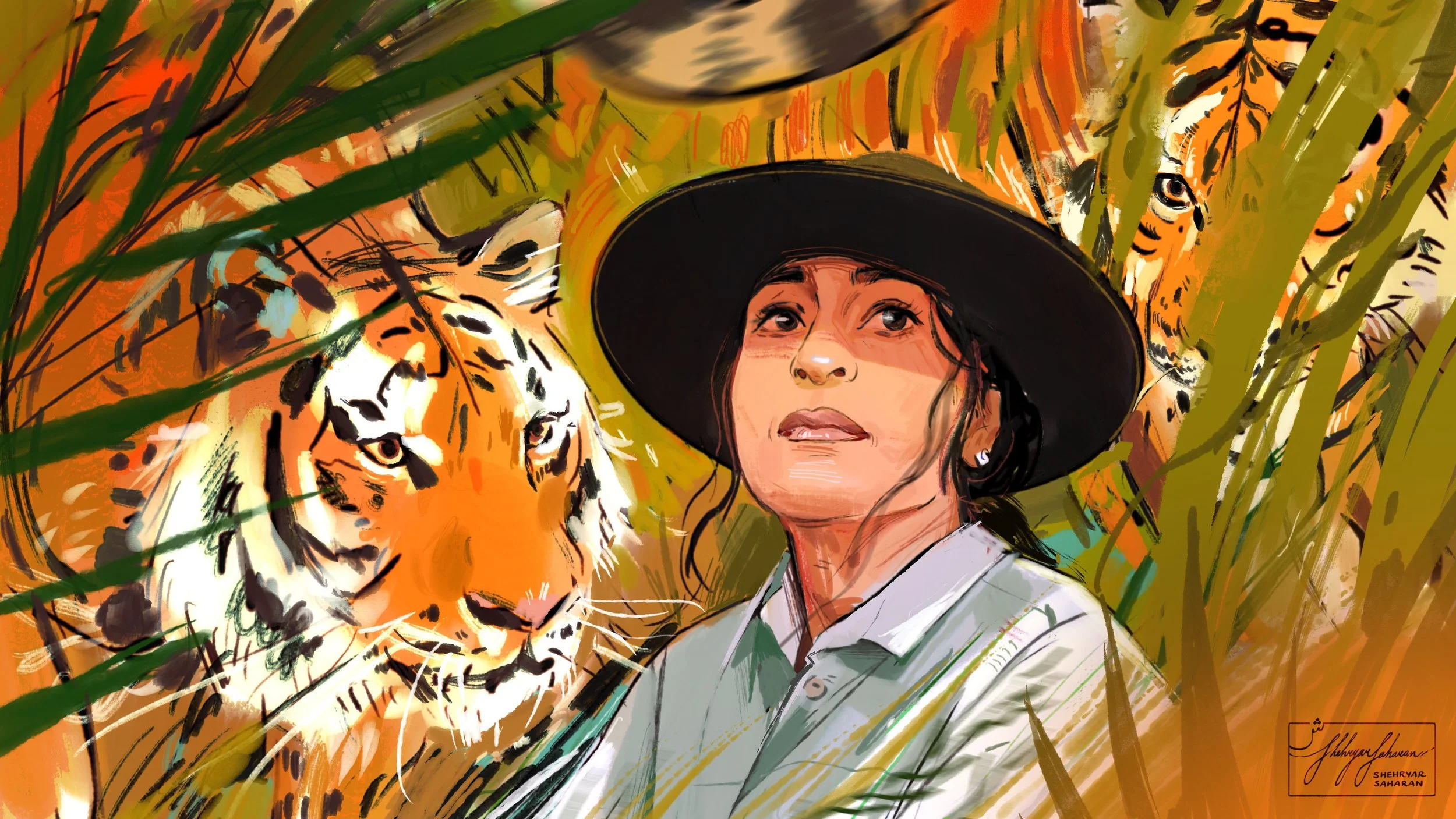
Portrait of Latika Nath.
Photography Note: All photographs featured in this entry are the work of Dr. Latika Nath and are reproduced courtesy of Dr. Latika Nath.
Nature’s Steady EmbraceThe alabaster whites and emerald greens surrounding Kashmir’s Dachigam National Park shaped Latika Nath’s earliest sense of wonder.
Much of her childhood was spent outdoors, where after-school wanderings became quiet lessons in observation, freedom, and belonging. At home, she bonded with animals ranging from chickens to elephants. In the forests beyond, she encountered Black Bears and Kashmir Stags on treks with forest guards. From the beginning, the wild was not distant from her life. It formed the landscape of her childhood and the texture of her everyday world.
Nath also accompanied her father on hunting and fishing expeditions, formative experiences that unfolded alongside his work as a medical doctor and his service as Secretary of the Indian Board for Wildlife. These were consequential years in India’s conservation history, as the Wildlife Protection Act was being framed and Project Tiger was beginning to take shape. Through him, she found herself in the company of leading figures in the early Indian conservation movement, including Dr. M. K. Ranjitsinh and Anne Wright of Project Tiger, Dr Salim Ali, the ornithologist, as well as Dr. Charles McDougal and Dr. Seidensticker of the Smithsonian Tiger Project in Nepal.
Her childhood unfolded across more than one landscape. Winters often carried her beyond Kashmir, to camping trips near her great-grandparents’ home in Dalhousie, Himachal Pradesh, and to the rolling hills of her uncle’s tea estate in Assam. On one such family visit to Corbett National Park, at just four years old, Latika encountered her first tiger from the back of an elephant.
By the age of seven, she had resolved to become an ecologist. A decade later, when she left for Delhi to begin her undergraduate studies, she carried with her a quiet promise: one day, she would return to Dachigam and devote her work to its elusive snow leopards.
Methods On Home GroundAfter completing Grade 12, Latika Nath received offers from four Ivy League universities in the United States. She chose instead to enrol at Delhi University, then the only institution in India offering an undergraduate degree in Environmental Sciences. Her parents believed the decision would ground her in the realities of Indian work culture, particularly given the unconventional path she was determined to pursue. Yet the limited academic infrastructure available at the time meant learning within far from ideal conditions. What might have resembled a conventional college experience instead gave way to long and often exhausting commutes, irregular class hours, and months without instruction due to teacher strikes and campus festivals. Rather than deterring her, those years seem to have deepened the resilience that would later sustain Nath in the field.
Latika did more than endure. She excelled, earning the prestigious Chevening Scholarship awarded by the Foreign and Commonwealth Office. The award took her to the School of Forestry at the University College of North Wales, Bangor, where Nath pursued a Master’s degree in Rural Resource Management. There, she began working with computer-based analytical tools, including Remote Sensing and Geographic Information Systems, and started to see how emerging technologies could sharpen wildlife research. She applied these methods in her master’s project on human-elephant conflict in Rajaji National Park, undertaken in collaboration with the Wildlife Institute of India.
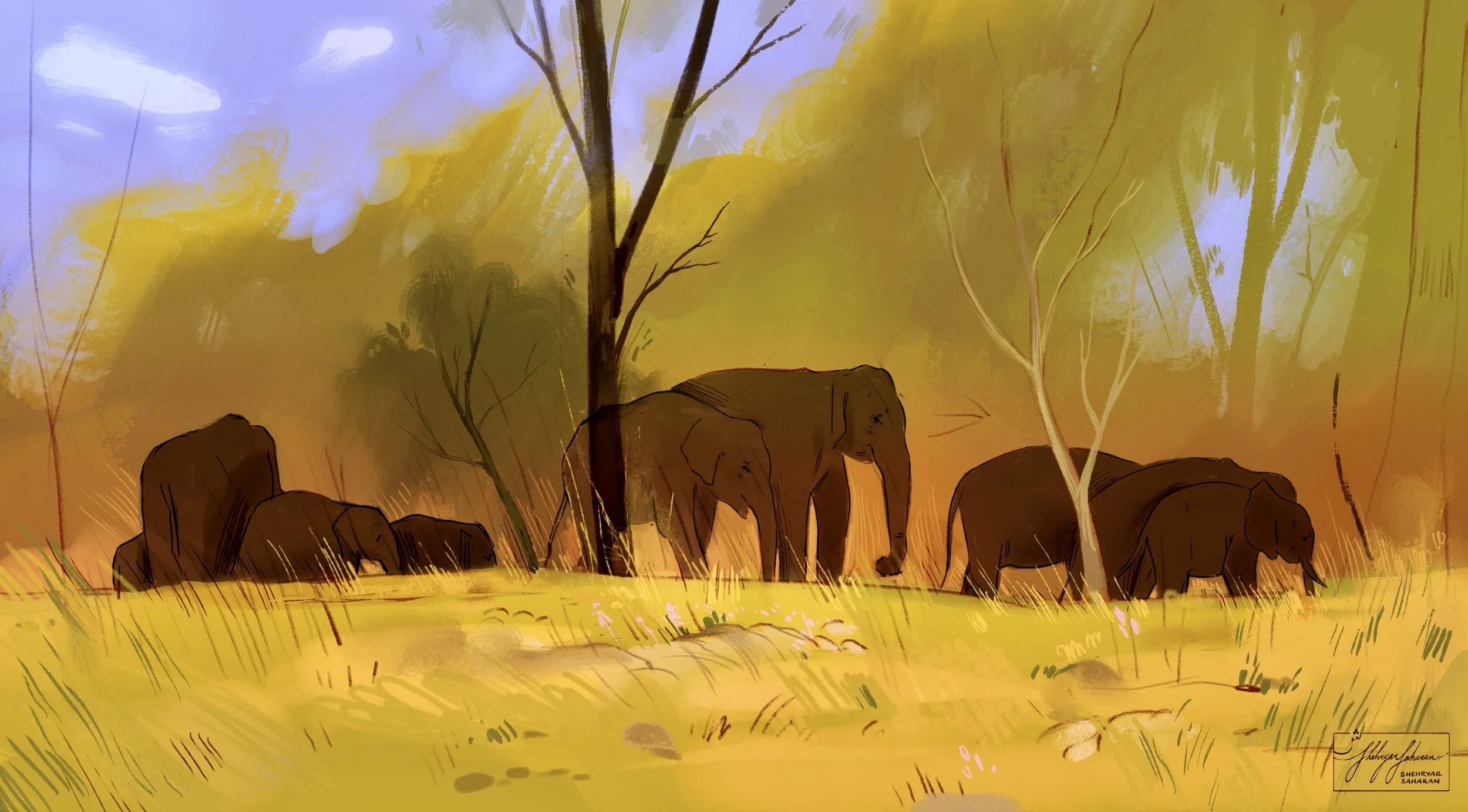
Rajaji National Park, where the rugged Shivaliks meet the fertile Gangetic Plains. Here, Latika Nath’s master’s research followed elephant herds through a landscape increasingly fragmented by shrinking forest corridors.
Rajaji, where the Shivalik ranges meet the Gangetic Plains, offered a landscape in which ecological richness and human pressure were already colliding. As settlements expanded and forest corridors narrowed, elephants were increasingly pushed into closer and more fraught contact with nearby communities. Crop raiding and property damage reflected more than isolated incidents. They pointed to a deeper spatial strain within a fragmented habitat. Studying the movements and condition of these generally gentle giants strengthened Nath’s conviction that field ecology and technological tools had to work together.
That conviction would later shape some of her most important work with tigers.
A Dream Burned, A Path ReforgedArmed with field experience, academic training, and a long-held determination to study the snow leopards she had cherished since childhood, Latika Nath felt drawn back to North India to pursue her PhD. In 1992, however, that path was abruptly broken.
It was the eve of Diwali, the festival of lights. The flashes on the television screen that night were not those of celebration.
There had been a terrorist attack in Kashmir.
Although she and her family were in Delhi at the time, the violence left a lasting mark. The valley that had shaped Nath’s childhood and nourished her earliest scientific ambitions became a place she could no longer return to. With that, the future she had imagined for herself, rooted in Dachigam and its snow leopards, could no longer unfold as planned.
Unwilling to remain suspended in grief, though uncertain of what should come next, Latika turned to her father and his colleagues for guidance. Through those conversations, she met her future mentor, Dr. H. S. Pawar, former Director of the Wildlife Institute of India, who posed a question that would redirect the course of her life’s work.
Her answer would lead her away from the mountains she had once hoped to return to, and toward the animal with which her name would later become inseparably associated.
No Man’s LandThough her parents were understandably anxious about the decision, they supported Latika Nath as she set out alone for Bandhavgarh National Park in Madhya Pradesh, then known for having one of the highest tiger densities in the world. She travelled in a borrowed jeep, accompanied only by a driver and a household attendant, entering the uncertainty that serious field research demands.
When Nath began her PhD, Indian women remained rare in the conservation sciences. Even so, she was not entirely without peers. In contemporaries and near contemporaries such as Ruchi Badola, Shomita Mukherjee, Nima Manjrekar, and her junior Vidya Athreya, she recognized a small but significant cohort of women who would each go on to shape conservation discourse in India (Latika Nath, personal communication, October 29, 2025).
In the forest, however, Nath did not feel out of place. Her research focused on the social organization of Bengal tigers, their hunting behaviour, prey density, and the perspectives of communities living alongside tiger habitat. Over five years, she followed individual animals across the landscape, recording patterns of movement and behaviour while placing ecological observation in conversation with human realities. The child who had once pinned tiger posters to her walls was now studying them in their own terrain. Even after years of fieldwork, the sight of a tiger in the wild never lost its force.
Many of Bandhavgarh’s tigers in tourism zones had become somewhat accustomed to vehicles, but Nath conducted much of her research in the park’s less disturbed core. The work was exacting and often isolating. At times, she and her small team, consisting of a driver and a field assistant, were the only people moving through dense forest corridors, tracking tigers by jeep and occasionally on foot. The work demanded constant calibration: close enough to observe, distant enough not to intrude. During these years, she also began systematically photographing individual tigers, building a visual archive that complemented her behavioural observations and contributed to her dissertation.
Long stretches of patient observation sometimes produced a degree of habituation among particular animals. Sita, a well-known tigress and prolific mother, initially reacted defensively to Nath’s equipment, once destroying a camera placed near her den. Over time, she appeared to tolerate the research team’s presence. Nath later recalled moments when Sita left her cubs resting near the jeep while she hunted or lay nearby, suggesting a negotiated familiarity rather than simple indifference.
Charger, by contrast, projected a very different presence. A large male with striking yellow eyes, he dominated one of the park’s broadest territories and often met the jeep with theatrical growls and overt displays of power. Yet Nath rarely saw him make his own kills. More often, he appropriated prey brought down by females or displaced wild dogs from their hunts, revealing a style of dominance shaped as much by opportunism as by strength.
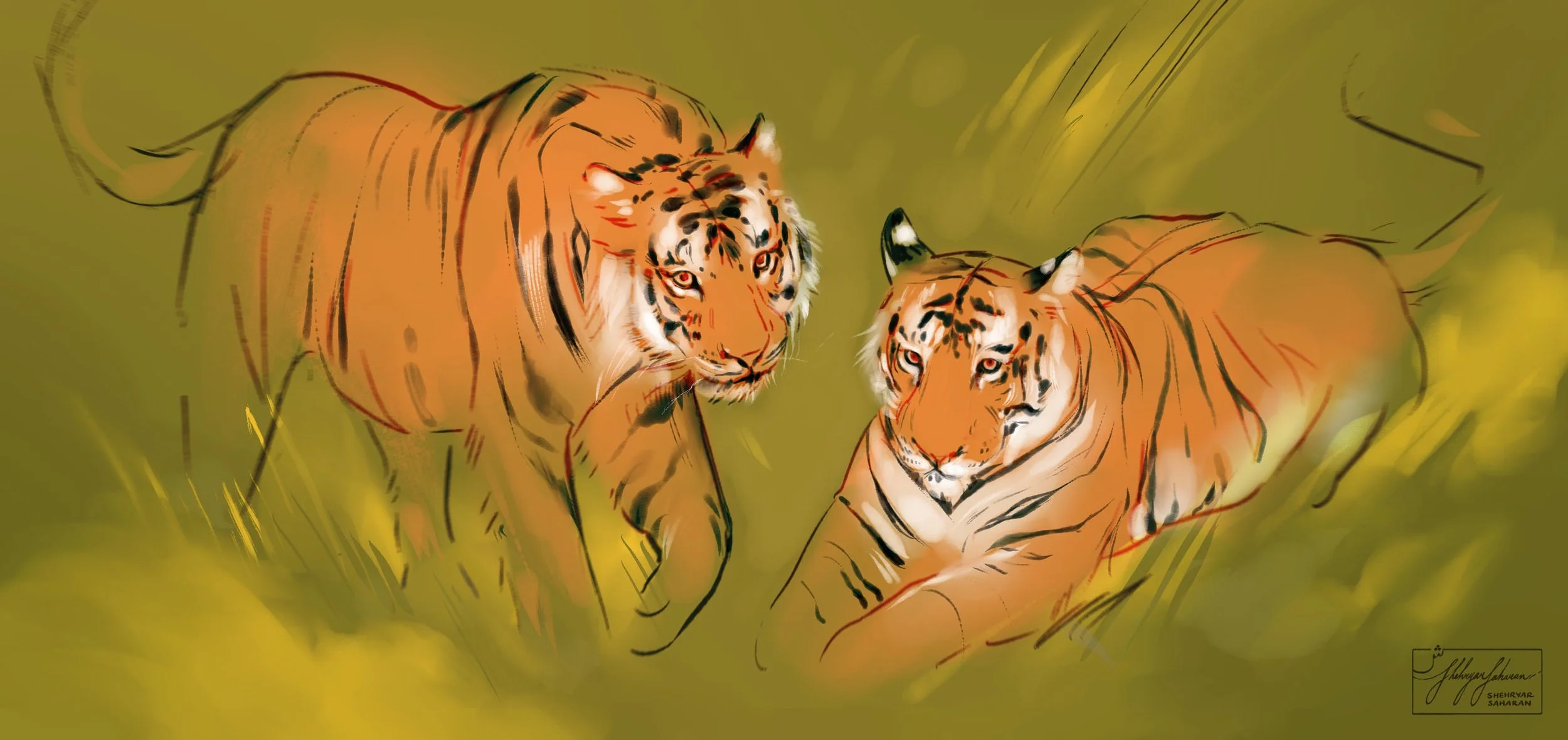
Charger (left) and Sita (right), two of the Bandhavgarh tigers Latika Nath observed closely during her doctoral fieldwork.
Pugmarks & PixelsWhen Latika Nath began her fieldwork, tiger identification in forest departments still relied largely on pugmark tracing. Officers outlined footprints on glass or acrylic sheets and archived those tracings for comparison. The method depended heavily on observer judgment, and learning to match a print confidently to a particular tiger could take years, even decades. Nath believed that monitoring such an iconic and endangered species required greater rigour. As conservation science evolved, its methods would have to evolve as well, even when that meant pushing against long-established practice.
During her first year in Bandhavgarh, working with a team of engineering students from the Indian Institute of Technology, Delhi, she helped improvise an early camera-trapping system. Using commercially available point-and-shoot film cameras paired with CCTV infrared motion sensors, the team built makeshift camera traps and sealed them in iron casings to protect them from theft and damage. Twenty-four pairs were deployed across the park. Once installed, however, the result depended as much on chance as on design: which animal passed first, whether the film held, and whether the images would be clear enough to use.
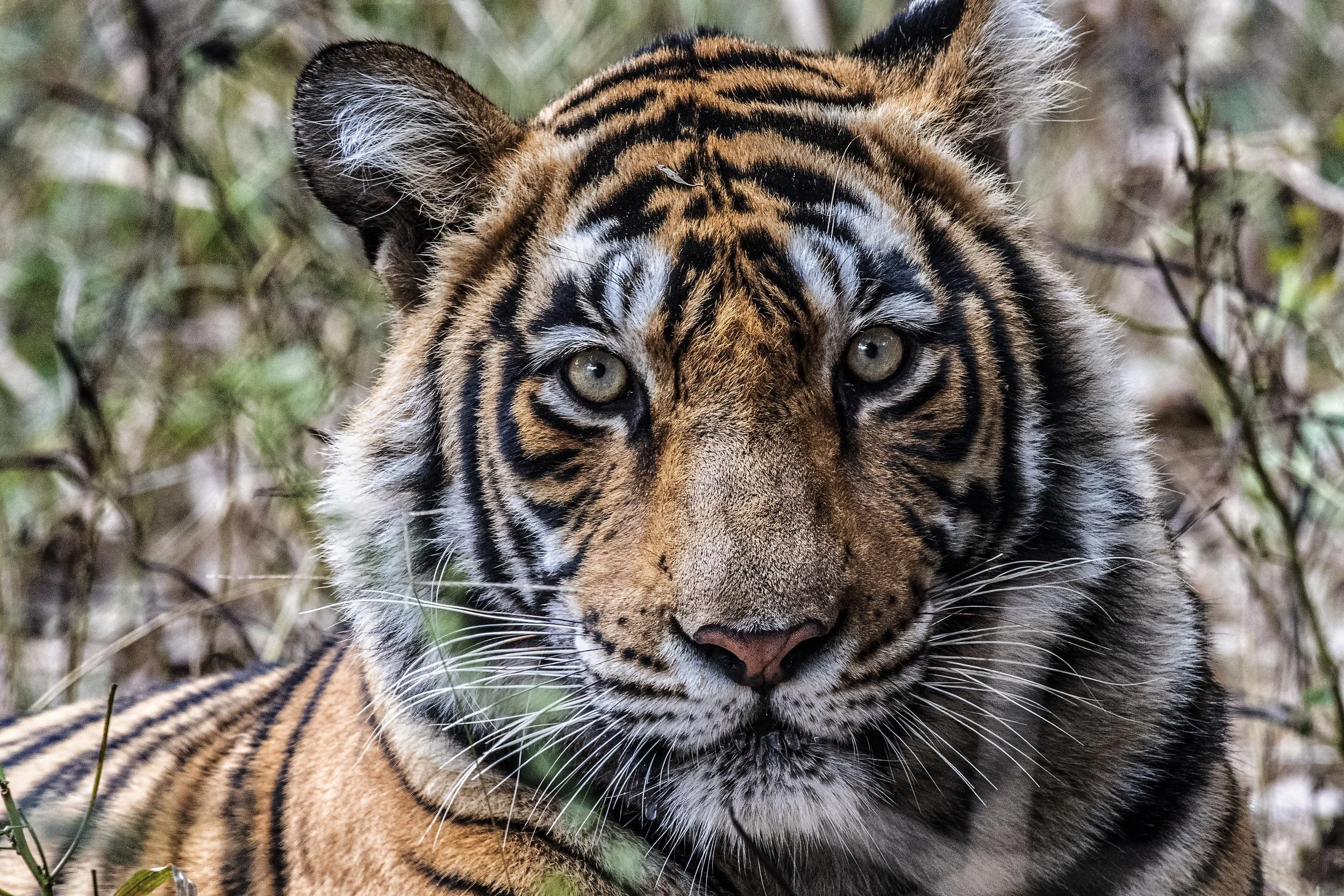
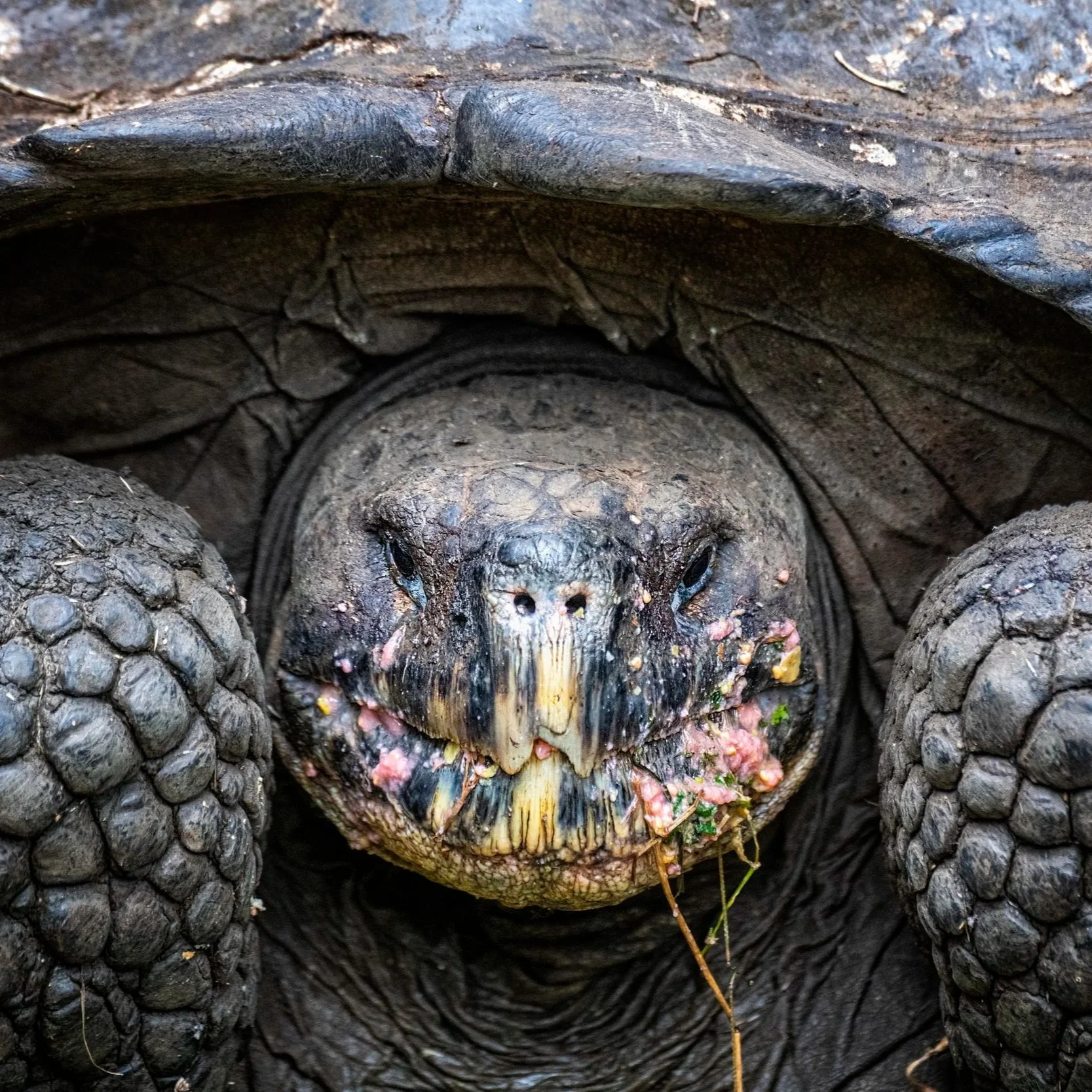
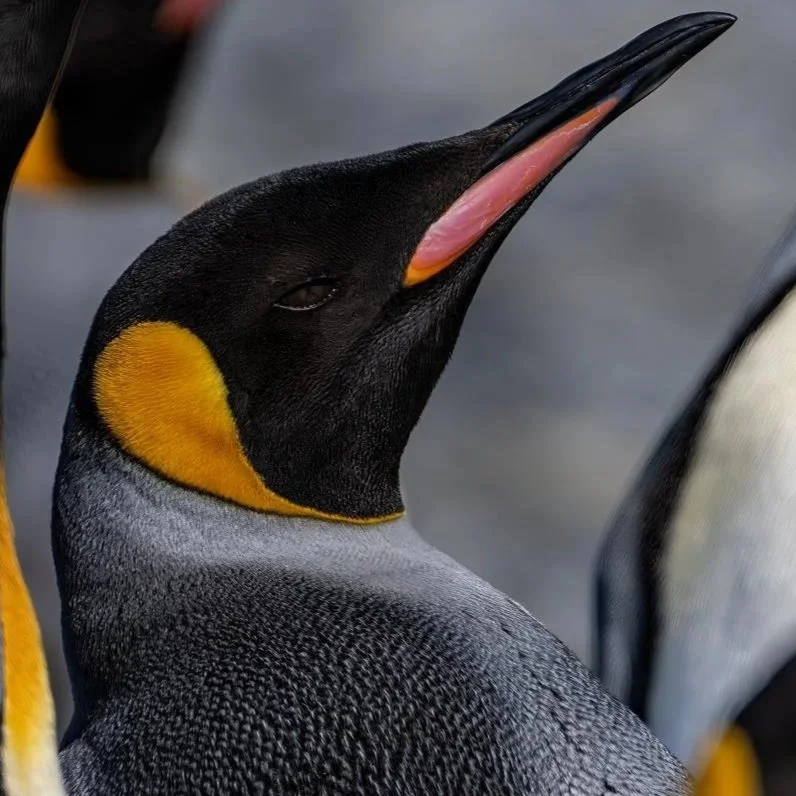
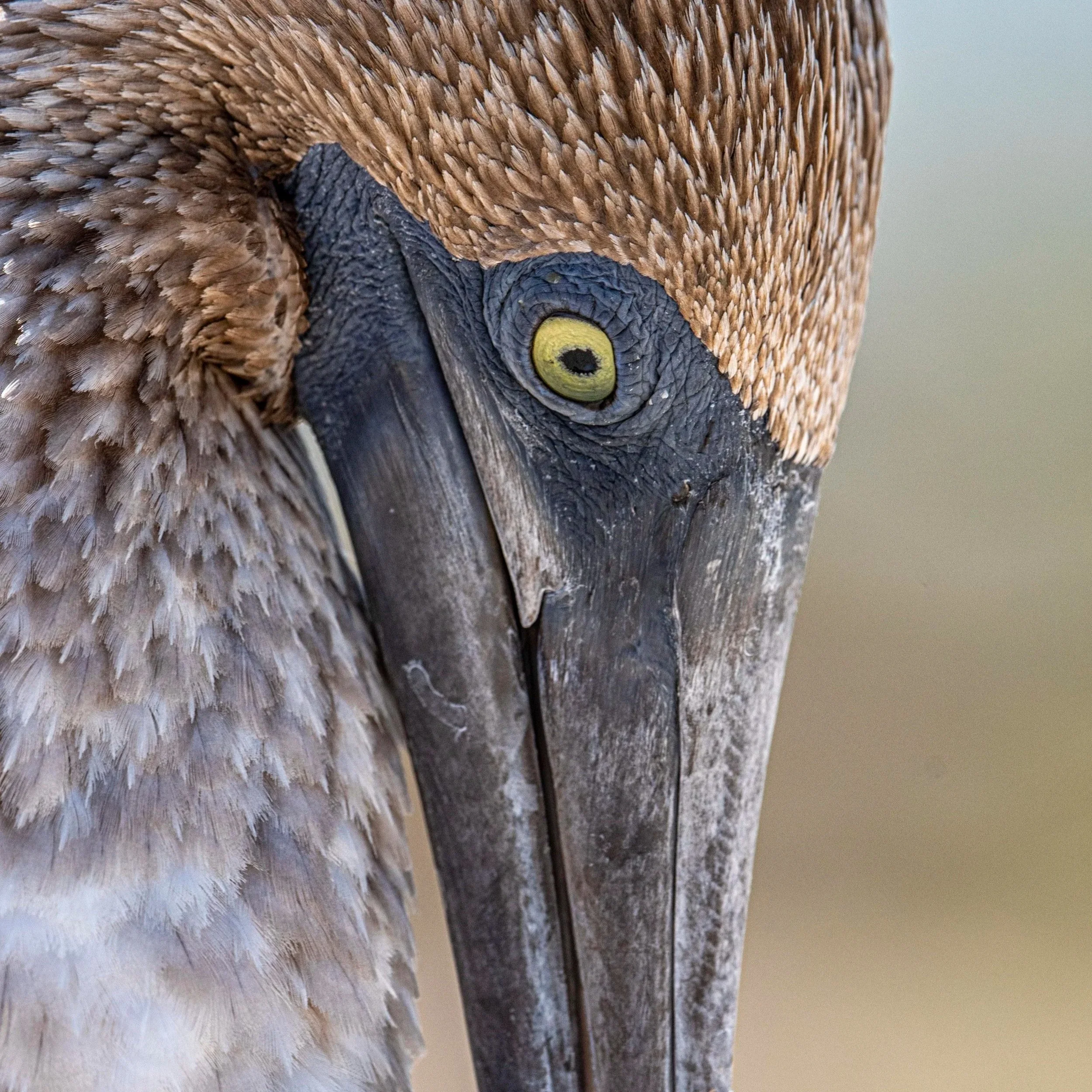
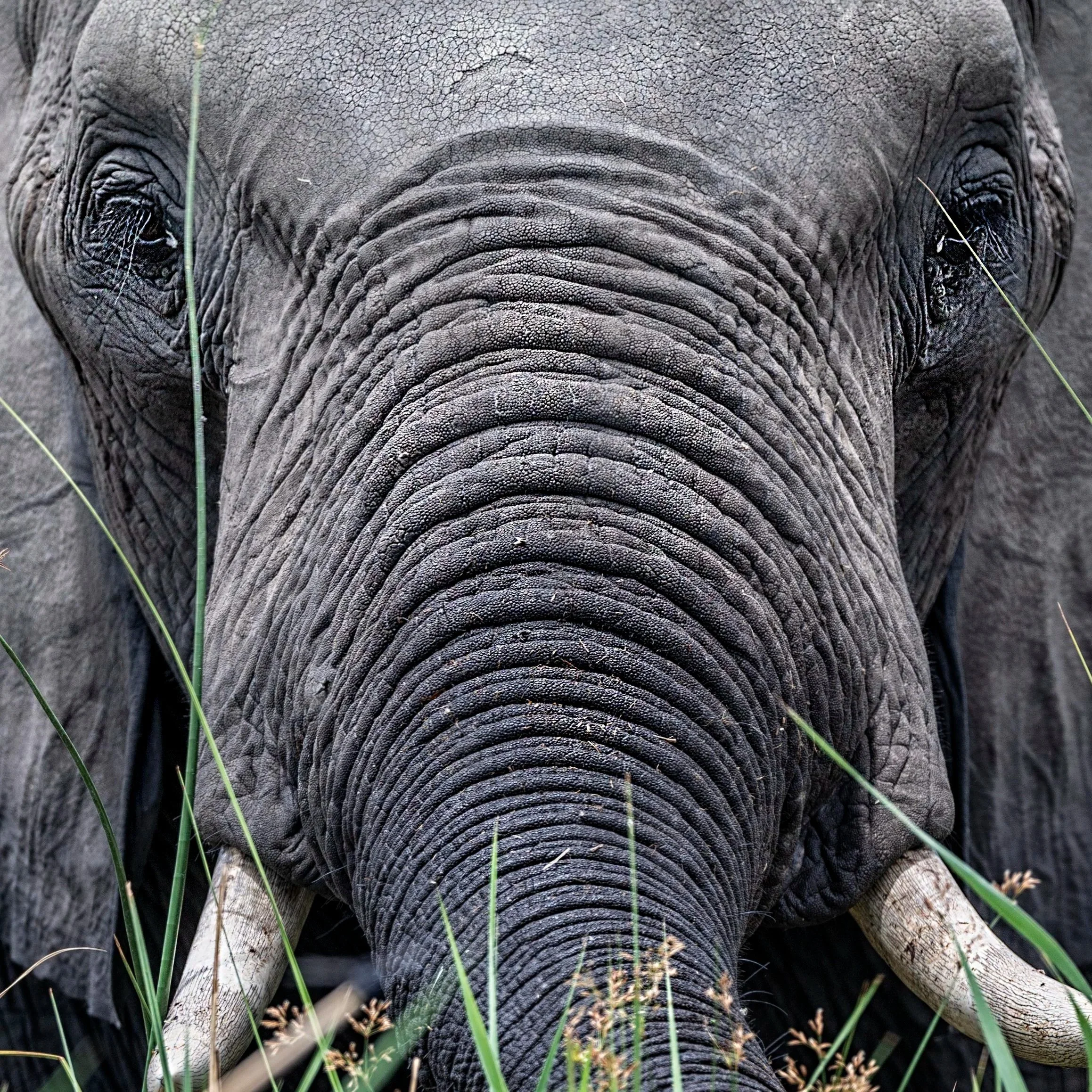
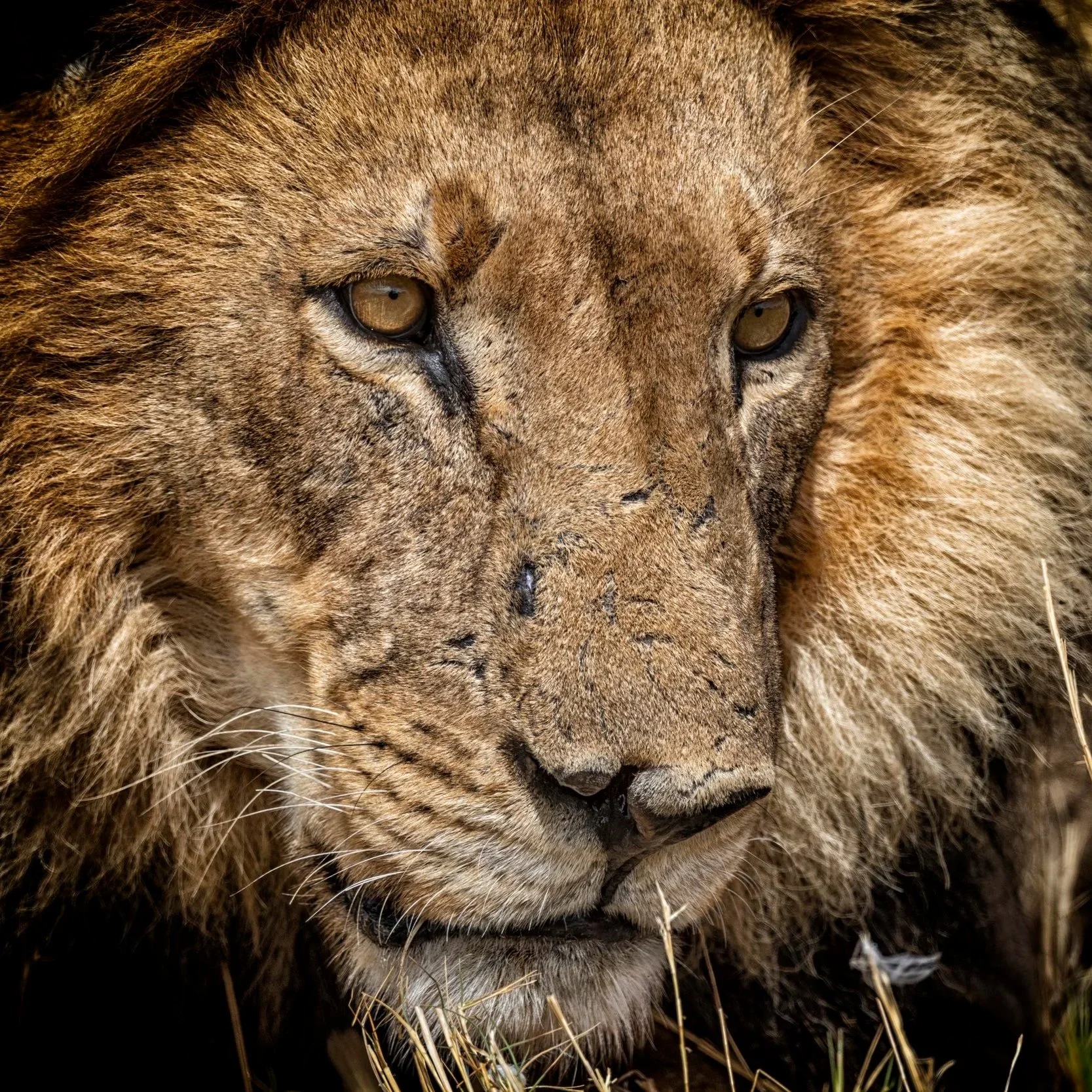
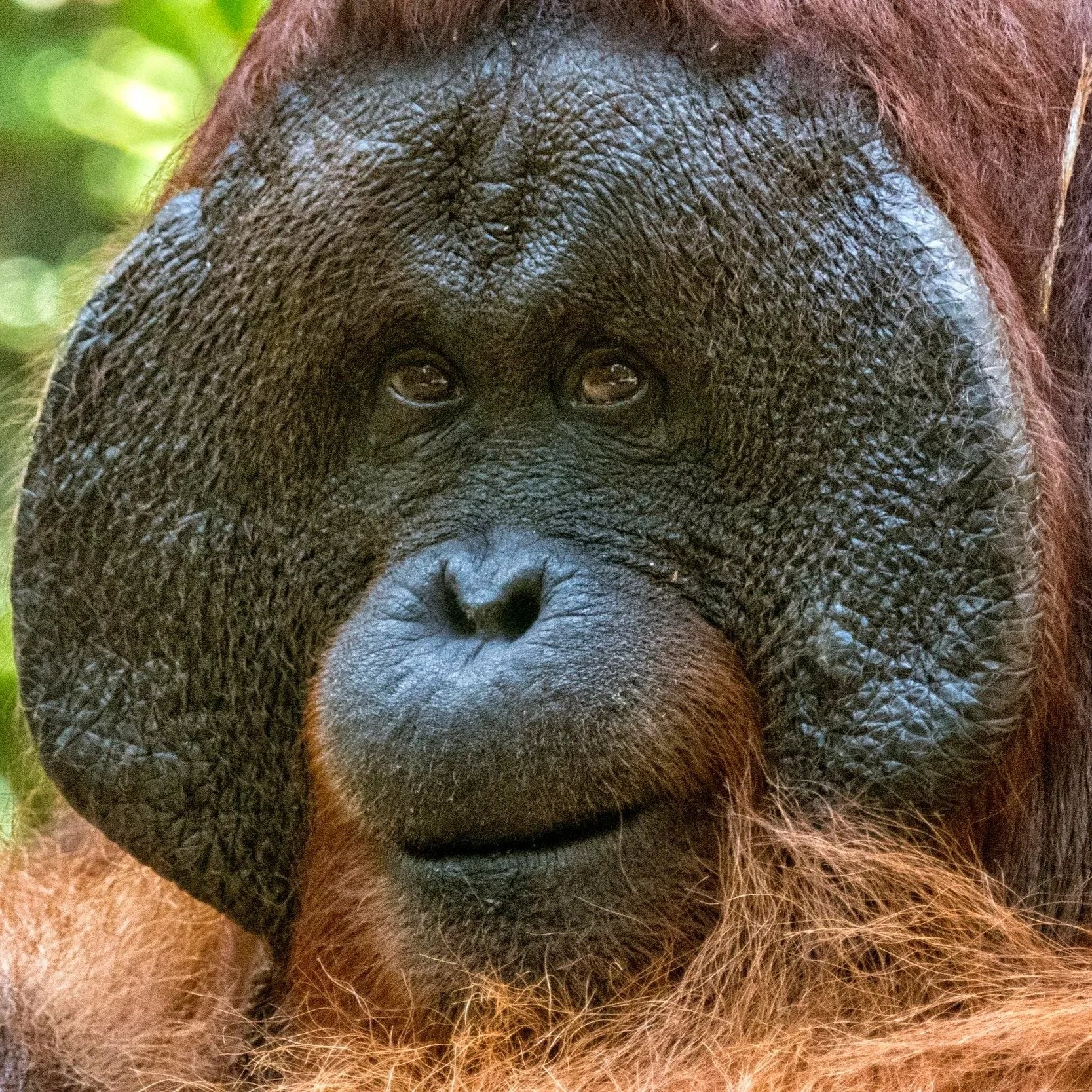
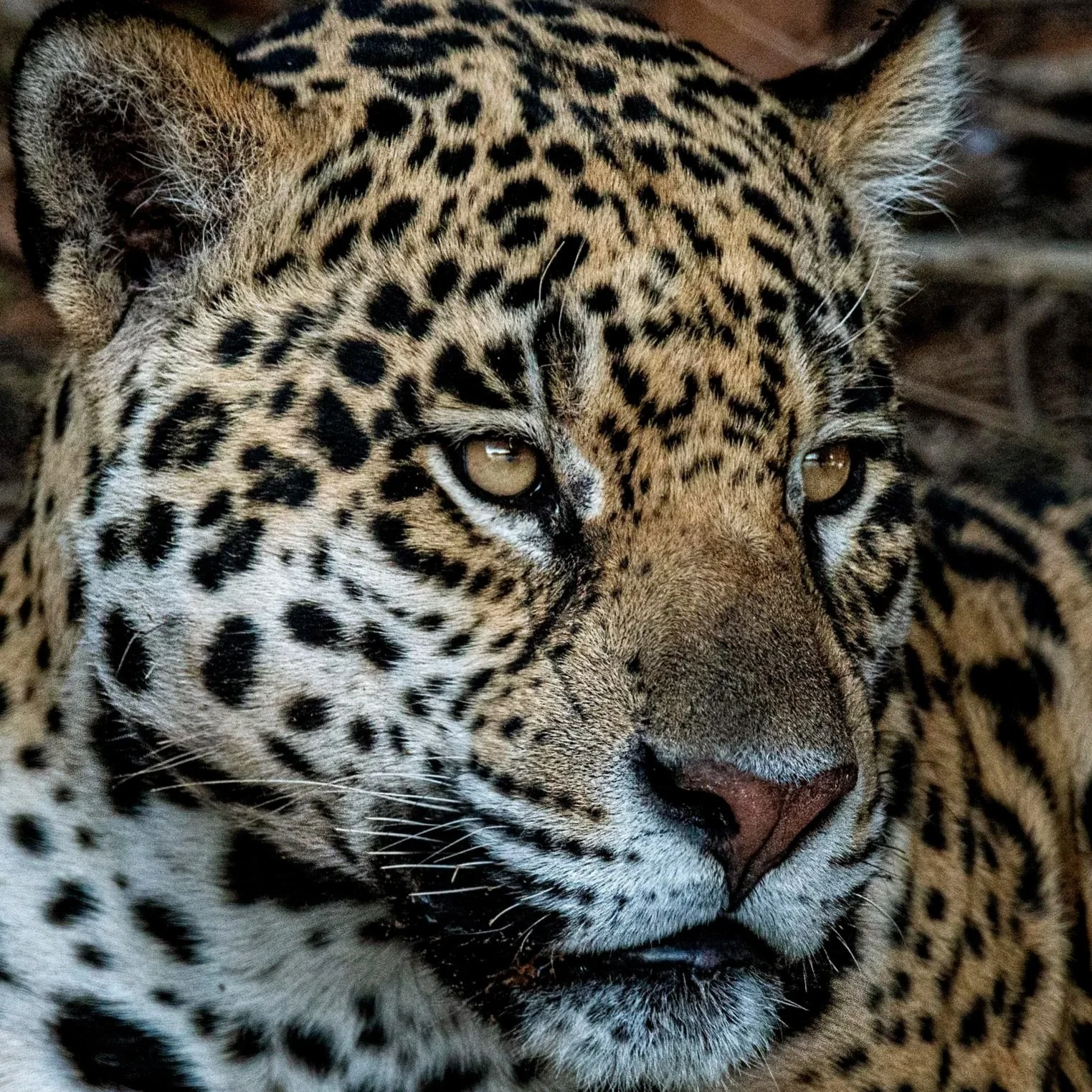
The limitations were substantial. Film rolls ran out quickly, batteries drained fast, and moisture remained a constant threat. Even so, the system showed that individual tigers could be monitored over extended periods without invasive radio collaring. In that sense, the work marked an important methodological shift, bringing technological ingenuity into alignment with a more restrained and ethical approach to wildlife research.
Fieldwork of this kind demanded near-total immersion. Days and nights blurred in the forest, far removed from the social and professional rhythms that shaped the lives of many of her contemporaries. While friends moved through corporate work and urban routines, Nath’s world was ordered by spoor, canopy light, and the possibility of sudden movement in the undergrowth. Her most dependable tether to home was a weekly phone call. Before mobile connectivity, even that required effort: travelling to the nearest town, finding a functioning telephone exchange, dialling from a rotary phone, and waiting for the trunk call to go through. Those brief conversations were more than routine check-ins.
They reassured both Nath and her family that she remained safe in a landscape that demanded constant vigilance.
Glass CeilingsLatika Nath recalls, with clarity rather than nostalgia, the many occasions on which she found herself seated before panels of men charged with deciding whether she was fit to conduct her own research. Outside the field, she presented herself in ways that reflected her upbringing and sense of self. For some evaluators, that appearance seemed incompatible with the demands of field ecology. The idea that intellectual seriousness and aesthetic self-possession could coexist was, for them, difficult to accept.
When Nath applied for the INLAKS scholarship to support her doctoral work, members of the committee reportedly dismissed her as “too young” and “spoiled,” casting doubt both on her resilience and on her proposal to integrate emerging technologies into ecological research.
These judgments were not confined to first impressions. While Nath was supported by several colleagues at the Wildlife Institute of India, including Prof. V. B. Mathur, she also encountered sustained hostility from her doctoral supervisor. Shared caste identity appears to have carried expectations of deference, expectations Nath believed ran counter to the basic principles of scientific inquiry, which depend on questioning rather than unquestioning acceptance. Eventually, she made the difficult decision to leave and continue her PhD under Dr. David Macdonald at Oxford’s Wildlife Conservation Research Unit.
That move was made possible through a combination of circumstance and preparation: an encounter with Prof. Judith Pallot of Christ Church, Oxford, and her parents’ long-standing commitment to saving for her education. Even then, resistance did not end. Macdonald, she has said, received correspondence warning him against working with her, a reminder that professional gatekeeping can extend well beyond a single institution or country.
Efforts to undermine Nath’s credibility continued.
An anonymous letter sent to one of her funding bodies accused her of fabricating data, leading to the suspension of her grant. For a year, her research stalled while the work was subjected to external scrutiny. A committee in the United States ultimately verified the authenticity of her data, and the funding was reinstated. The episode was professionally damaging, but it also clarified the extent to which scientific work can be shaped by forces far removed from evidence alone.
The pattern, by her account, extended beyond her doctoral years. When Nath later applied to join the IUCN Cat Specialist Group, she says she was pressured to withdraw her application. In another instance, while in Malaysia, she learned that she had effectively been blocked from a position for which she had been a leading candidate.
“The Tiger Princess”Each time another barrier rose before her, Latika Nath returned to a simple conviction: the survival of tigers depended on work that too few were willing to undertake, and retreat was not an option. Four scholarships and five years later, in 2000, she completed her PhD at Oxford. Her dissertation, centred on tiger conservation in Bandhavgarh National Park, marked a significant scholarly milestone in Indian wildlife research.
The degree, however, did not bring the institutional recognition one might have expected. Nath’s thesis, Conservation and management of the tiger, Panthera tigris tigris, in Bandhavgarh National Park, India, was the product of years of fieldwork, technical experimentation, and sustained analysis. Yet by her account, its contributions received limited acknowledgement within parts of the Indian conservation establishment, even as the work was respected internationally. The experience was disheartening. Over time, Nath began to question whether academia, on its own, would allow her to pursue the kind of change she had in mind.
While professional rivalries and disciplinary gatekeeping consumed energy at the top, pressures on wildlife intensified across the landscape. Poaching, trafficking, and habitat degradation continued to erode fragile gains. Encounters with orphaned cubs and the remains of poached animals were not abstract data points but lived realities. In one searing moment, standing before the flames of a pyre consuming the body of a slain tiger, she confronted a difficult truth: her work needed to extend beyond scholarly validation.
Latika chose to pivot toward direct, field-based conservation, working closely with wildlife and the communities whose lives intersected with it.
During this period, she married Mr. Nanda Rana of the Nepali royal family, whom she had come to know through her years in Bandhavgarh. As head of the park’s jungle camp, he shared her commitment to tiger conservation. Together, they would go on to shape conservation initiatives in both India and Nepal, linking grassroots engagement with broader advocacy.
Her work soon drew the attention of National Geographic, which featured her in a documentary and introduced her to wider audiences as “The Tiger Princess.” At first, the title could seem ornamental, even faintly reductive. Over time, Nath appears to have made a more pragmatic peace with it, recognizing that public visibility could also carry influence. For many young Indian women considering a future in conservation biology, she had become a visible point of reference. She continued collaborating with National Geographic India on wildlife programming and, alongside herpetologist Gerard Martin and actor Hrithik Roshan, contributed to early efforts associated with the growth of the National Geographic Channel in India.
Conservation and BeyondAfter stepping away from academia, Latika Nath entered a new phase of her work as she moved to Nepal with her husband. At the time, Nepal, like India, was confronting a serious tiger crisis. Over the following decade, however, the country would emerge as a global example for its success in doubling its tiger population. Nath’s work unfolded within that changing conservation landscape, across ecological zones that stretched from the high altitudes near Kanchenjunga to the wetlands of the Terai. In these years, she collaborated with international bodies including the International Union for Conservation of Nature, the United Nations Development Programme, and the International Centre for Integrated Mountain Development.
The transition was not without complication. As an Indian woman from a privileged background working in Nepal, Nath was often viewed through a lens of assumption before merit. Professional credibility, once again, had to be earned under scrutiny rather than granted in advance.
Around 2005, Nath and her husband returned to India to undertake a different kind of conservation experiment at Singinawa Jungle Lodge in Kanha. The project began on fifty-four acres of degraded land overtaken by invasive growth. Over time, that landscape was restored into a conservation-oriented tourism space that served both as a base for Nath’s fieldwork and as a platform for wider community engagement.
In the years that followed, Latika worked closely with the Baiga and Gond communities living around Kanha National Park. Her engagement extended beyond documenting traditional ecological knowledge, medicinal plant use, cuisine, and artistic practice. Nath invested in long-term relationships, participating in cultural life and supporting local artisans, potters, and weavers in building more stable livelihoods. She also helped connect communities to healthcare and renewable energy initiatives, advancing a model in which tourism revenue, cultural continuity, and wildlife conservation could reinforce one another rather than compete.
In collaboration with the Massachusetts Institute of Technology, she also helped develop a system through which invasive lantana could be converted into fuel briquettes. The idea addressed two pressures at once: reducing dependence on native vegetation for firewood and managing the spread of a species that had become ecologically disruptive.
Singinawa became more than a lodge or field base. It also emerged as a site of creative exchange. Nath brought together artists from more than sixteen countries to collaborate with local artisans and schools, using art to foster wildlife awareness and a sense of pride among younger generations.
Alongside these community-centred initiatives, she continued to support the Forest Department in strengthening protection efforts in Kanha’s core areas. Her contributions included helping improve ranger mobility through vehicle donations and facilitating the creation of strategic water sources to support wildlife through severe dry seasons.
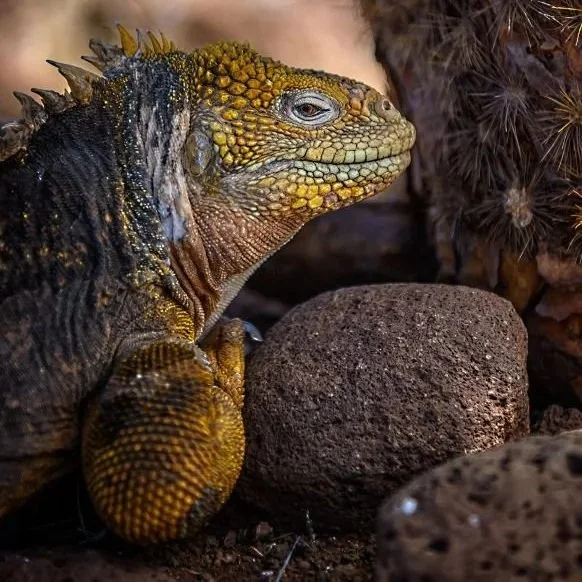
Wild & FreeDespite her public achievements, Latika Nath was navigating a profound personal upheaval. Over time, circumstances within her marriage had narrowed her ability to continue wildlife photography, a creative practice that had long accompanied her scientific work. The strain culminated in her separation in 2012. In the aftermath, she was unable to return to Nepal and lost access to the photographic archive she had built during the early years of her career.
The period was further marked by her father’s cancer diagnosis and the sale of the family home. In rapid succession, Nath faced the loss of place, partnership, and personal archive. The effect was both material and emotional, leaving her in a life she had not imagined for herself.
Seeking distance from Delhi and from the weight of these events, Nath began to travel. In time, movement brought a measure of renewal. Surrounded once again by landscapes shaped by wind, water, and wildlife, she felt drawn back to the camera, not as professional obligation, but as a way of seeing clearly again. By then, photography had shifted decisively into the digital realm. The technology was unfamiliar and, at first, intimidating. Still, she began to learn it anew.
Slowly and deliberately, Nath returned to image-making, photographing the natural world as she encountered it: immediate, luminous, and unscripted.
Beyond the Forest and the LensSince 2015, Latika Nath has travelled to more than fifty countries, photographing coastlines, river systems, forests, endemic species, and vulnerable ecosystems across continents (TEDx Talks, August 8, 2023). What began as a period of recovery gradually expanded into a sustained engagement with ecological change at a planetary scale.
Nath trained as a diver and entered the world of underwater photography, bringing to marine environments the same patience and attentiveness that had once shaped her work in forest corridors. Her images have appeared in national and international publications, and she went on to produce a short film reflecting on the submerged worlds she encountered. Photography became, once again, a way of bearing witness: part archive, part advocacy, and part reclamation of her own narrative (TEDx Talks, August 8, 2023).
Her long engagement with Indian wildlife found one expression in Hidden India: A Journey to Where the Wild Things Are. In 2017, Nath exhibited her work at the Safari Lounge in New Delhi, an experience that widened her interest in design, curation, and the spatial telling of ecological stories.
The years that followed took her to Ethiopia. Initially drawn by the prospect of photographing the Ethiopian wolf, she became immersed in the lives of eight tribes of the Omo Valley, including the Hamer, Bana, Mursi, Suri, Kara, Dassanech, Arbore, and Nyangatom. The resulting body of work led to her first solo exhibition, Omo, Where Time Stood Still, in 2019. Supported by the Embassy of Ethiopia, the exhibition introduced Delhi audiences to intimate portraits of communities navigating rapid cultural change.
In 2020, amid the disruptions of a global pandemic, Nath founded Hidden India as a platform bringing together conservation, design, and climate-responsive living. The initiative engages with carbon reduction, rewilding, biodiversity-integrated architecture, and wider Environmental, Social, and Governance principles. Returning to Kanha, she developed Mahawan, described as India’s first carbon-negative property, the product of sixteen years of rewilding and landscape restoration.
Recognized by Nikon and serving as an ambassador for Leica, Nath has continued to widen the scope of her photographic inquiry. In recent years, she travelled to both the Arctic and the Antarctic in order to better understand the lived realities of climate change.
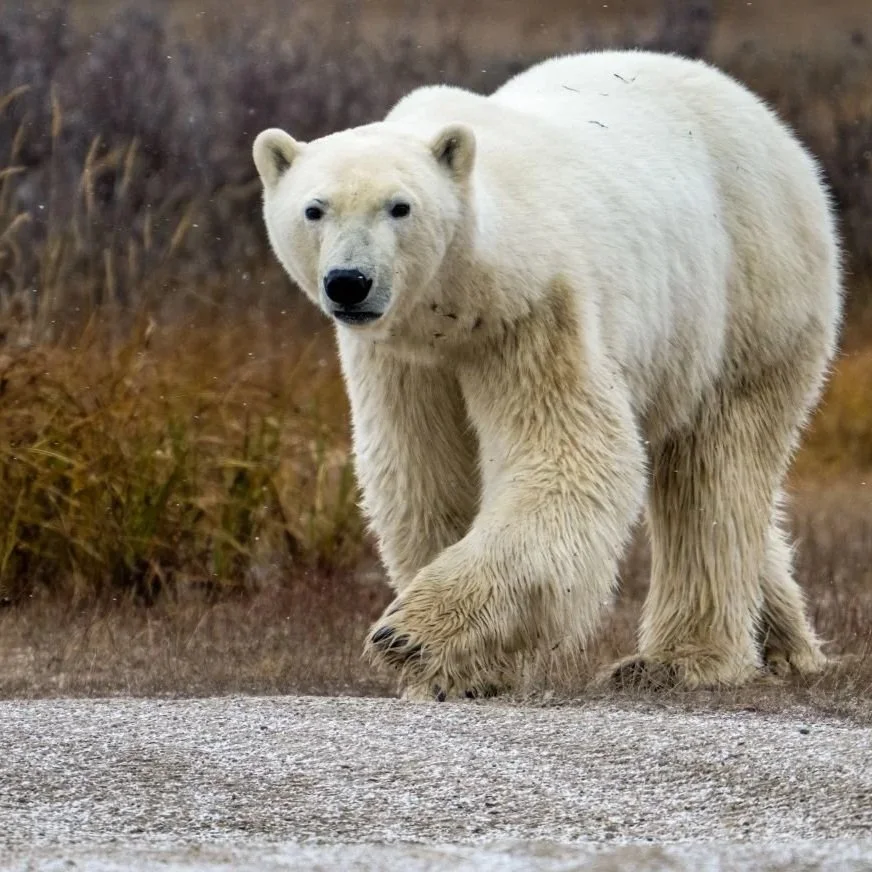
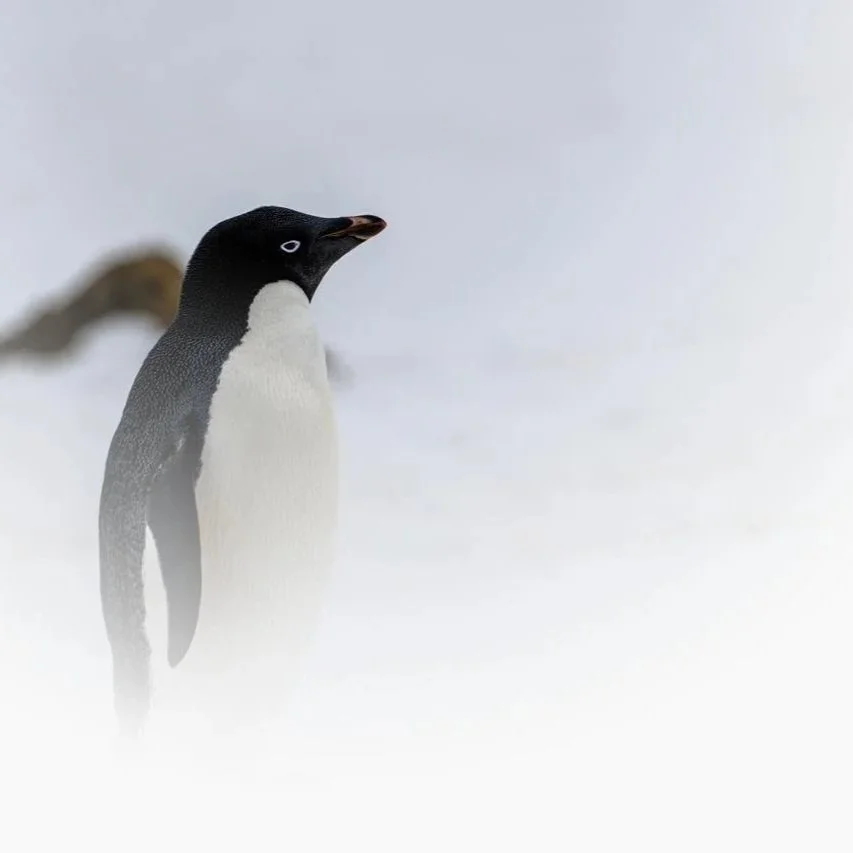
In the Arctic, Nath observed the instability of sea-ice systems, where delayed ice formation was affecting seal pupping grounds and, in turn, polar bear foraging patterns. In the Antarctic, she witnessed accelerated ice melt reshaping penguin breeding habitat and exposing chicks before their plumage had fully developed waterproofing. She also encountered the devastating effects of avian influenza on marine mammal and seabird populations.
These journeys deepened her sense of planetary interdependence, and she is now working to gather those reflections into an upcoming book.
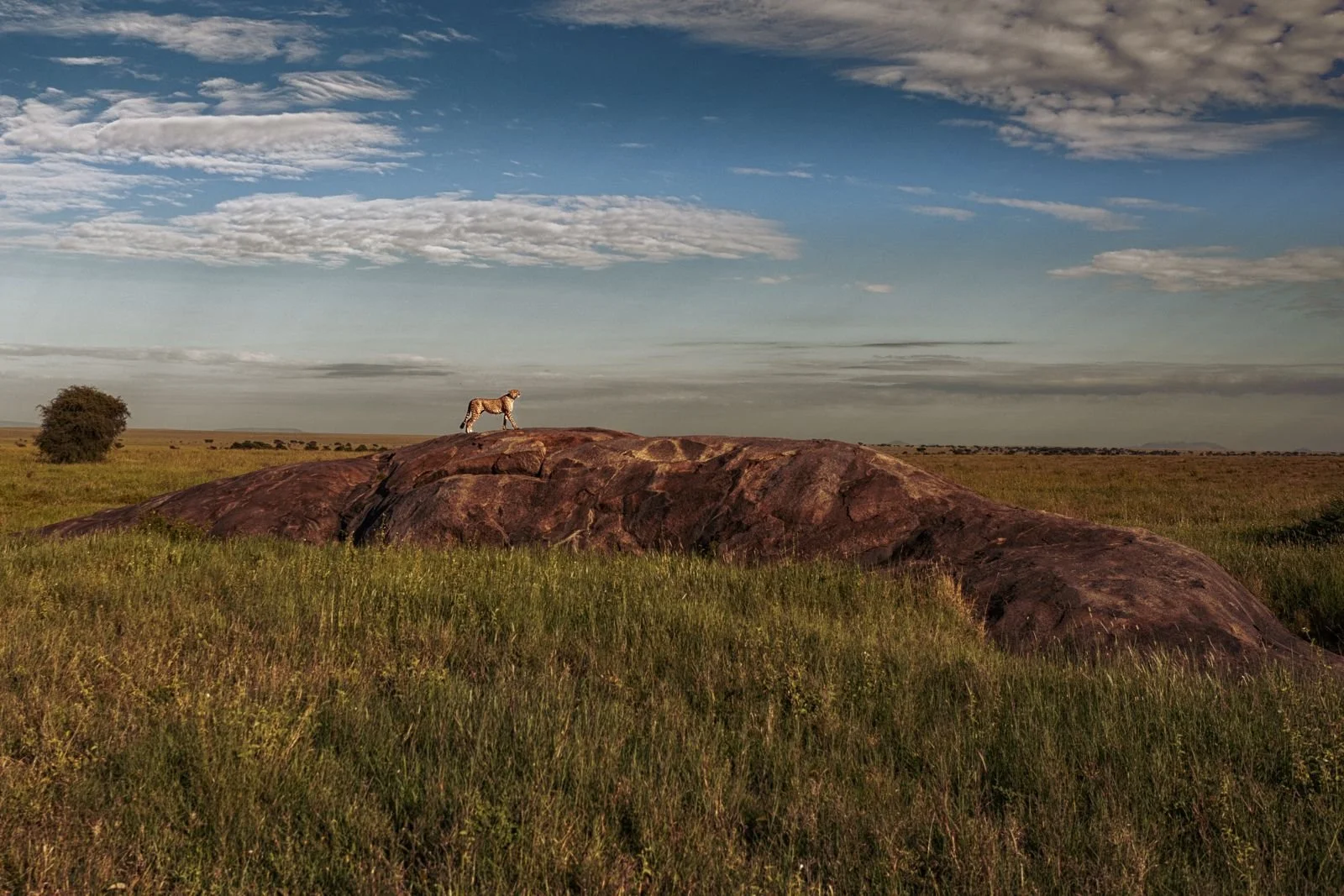
Changing the Terms of ConservationA life in conservation has carried Latika Nath along difficult and often uncertain paths, and she intends to remain on that course for as long as she is able. From the child wandering the slopes of Dachigam to the researcher in the forests of central India and the traveller at the planet’s icy extremes, her life has been marked by a sustained movement toward the wild. Today, Nath speaks with particular urgency about inspiring children to care for the natural world, even as she turns more deliberately toward influencing wildlife policy in India at a systemic level.
Across decades shaped by fieldwork, exclusion, reinvention, and public engagement, Nath has helped expand the terms of conservation practice in India. She was among the early figures to press for more rigorous, non-invasive wildlife monitoring at a time when such methods were still unfamiliar or resisted. Her work also insisted that conservation could not rest on ecological data alone. It had to account for the communities living alongside wildlife, the ethics of intervention, and the long responsibilities of stewardship. Over time, her influence came to extend across protected area management, community-centred conservation, responsible wildlife tourism, and the visual languages through which nature is represented to wider publics. Just as importantly, Nath opened space for women in conservation science by remaining in a field that often worked to exclude her. She changed expectations not through symbolic presence alone, but through the substance and endurance of her work.
Now turning more deliberately toward governance and policy, Nath’s trajectory reflects a rare combination of scientific training, lived field experience, and public voice.
It is this sustained combination of courage, adaptability, and refusal to disengage that gave rise to the moniker “Tiger Princess.”
Yet the title captures only one part of her legacy. More lasting is the body of work she has built, the paths she has opened, and the example she continues to offer: that conservation must be scientifically rigorous, publicly engaged, and ethically grounded. '
In staying close to the tiger, Nath helped widen the imagination of what conservation in India could be.
We have authored and illustrated this entry with care and respect, aiming to achieve the highest standards through diligent, balanced research. We also strive to maintain the highest standards of accuracy and fairness to ensure information is diligently researched and regularly updated. Please contact us should you have further perspectives or ideas to share on this article.
Photography Note: All photographs featured in this entry are the work of Dr. Latika Nath and are reproduced courtesy of Dr. Latika Nath.
-
Akram, R. (2017, May 26). The woman who made science beautiful. Royal Botanic Gardens. https://www.kew.org/read-and-watch/the-woman-who-made-science-beautiful
Art Herstory. (2021, January 26). Maria Sibylla Merian’s Artistic Entomology. https://artherstory.net/curiosity-and-the-caterpillar/
British Museum. (n.d.). Maria Sibylla Merian: Pioneering artist of flora and fauna. https://www.britishmuseum.org/collection/animals/maria-sibylla-merian-pioneering-artist-flora-and-fauna
Klein, J. (2017, January 23). A pioneering woman of science re-emerges after 300 years. The New York Times. https://www.nytimes.com/2017/01/23/science/maria-sibylla-merian-metamorphosis-insectorum-surinamensium.html
Mathrani, V. (2019, May 21). Maria Sibylla Merian: Botanical Illustrator, Entomologist, and Explorer Ahead of Her Time. UntoldStories.net. Retrieved from https://untoldstories.net/1667/04/maria-sibylla-merian-botanical-illustrator-entomologist-and-explorer-ahead-of-her-time/
Merian, M. S. (2016). Metamorphosis insectorum Surinamensium 1705. Lannoo.
Rogers, K. (2024, May 3). Maria Sibylla Merian. Encyclopaedia Britannica. https://www.britannica.com/biography/Maria-Sibylla-Merian
Ruiz, P. (2024, March 6). Maria Sibylla Merian’s Metamorphosis Insectorum Surinamensium (1705). The Public Domain Review. https://publicdomainreview.org/collection/merian-metamorphosis/
Schiebinger, L. (2005). Plants and empire: Colonial bioprospecting in the Atlantic world. Harvard University Press.
-
Website Name: The Matilda Project
Title of Entry: Latika Nath, The Tiger Princess: A Life of Tigers, Science, and Conservation
Author: Anuradha Joshi
Illustrator: Shehryar (Shay) Saharan
Editors: Latika Nath & Shehroze Saharan
Original Publication Date: August 10, 2026
Last Updated: August 10, 2026
Copyright: CC BY-NC-ND
Webpage Specific Tags: Latika Nath; Wildlife ecologist; Tiger conservationist; Conservation photographer; The Tiger Princess; Bengal tiger research; Tiger behaviour; Bandhavgarh National Park; Non-invasive wildlife monitoring; Camera trapping; Wildlife conservation in India; Women in conservation science; Indian wildlife biologist; Human-wildlife conflict; Rajaji National Park; Human-elephant conflict; Community conservation; Kanha National Park; Wildlife photography; Conservation technology; Remote sensing in ecology; Geographic Information Systems; Tiger ecology; Protected area management; Wildlife research methods; Women in STEM; Female conservation pioneers; Community-centred conservation; Responsible wildlife tourism; Biodiversity conservation; Rewilding; Climate change photography; Environmental advocacy; Conservation policy; Wildlife stewardship; Field ecology; Ecological research; Women in wildlife science; Indian conservation history; Nature photography; Conservation education; Environmental leadership; Tiger conservation in India.
Website Tags: The Matilda Project, The Matilda Effect; Margaret W. Rossiter; Matilda Joslyn Gage; Implicit bias; Unconscious bias; Gender attribution bias; Scientific recognition bias; Gender discrimination in academia; Stereotype threat; Pay gap in STEM; Glass ceiling in science; Sexism in scientific research; Gender stereotypes in education; Gender bias in peer review; Bias in STEM hiring practices; Impact of gender bias on scientific innovation; Underrecognition of female scientists; History of women in science; Women scientists in history; Notable women in science; Pioneering women scientists; Women Nobel laureates; Female role models in science; Gender disparities in scientific research; Women's suffrage movement; Historical women's rights leaders; Historian of science; STEM gender gap; Women in STEM; STEM education; Challenges faced by women in STEM; Representation of women in tech; Initiatives to support women in STEM; Gender equity in STEM education; Encouraging girls in STEM; STEM outreach programs; Diversity in STEM curriculum; Equity, Diversity, Inclusion; Equity in education and workplace; Diversity training; Inclusion strategies; Inclusive leadership; Gender equality; Racial equity; Pay equity and transparency; Representation in media.
-
APA Citation:
Joshi, A. (2026, August 10). Latika Nath, The Tiger Princess: A Life of Tigers, Science, and Conservation. The Matilda Project. https://www.thematildaproject.com/scientists/latika-nath
Author
Anuradha Joshi
Biotechnology Postgraduate, Gandhi Institute of Technology (GITAM), Visakhapatnam, India
Anuradha Joshi is a biotechnology postgraduate currently working as a project intern on a research project on the phylogenetics of ants at GITAM, India. Previously, she has worked on various conservation, evolution and molecular genetics-related projects, like the diet of red pandas and freeze tolerance in crickets.
Illustrator